
Start With the Number of Mouths, Not the Menu
The easiest way to waste money on a family meal is to order by appetite instead of by headcount. A table of four rarely eats like one block, because children may want smaller portions while teenagers can put away more than two adults. Before you choose anything, count who is eating, whether there are extra guests, and whether the meal needs to carry you through lunch and supper. That small bit of planning saves a lot of hassle later.
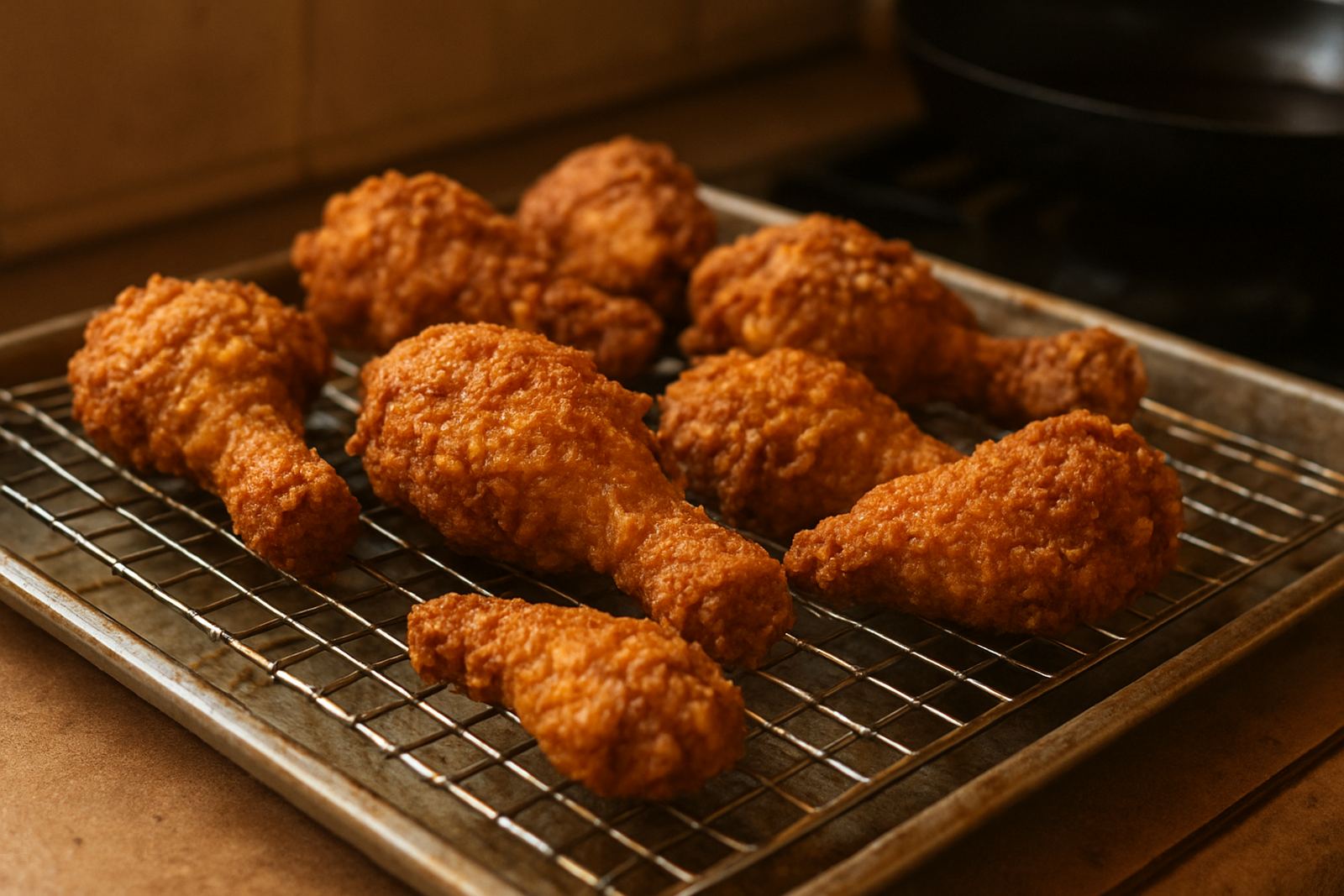
In Johannesburg, where families often eat at different times because of school runs, traffic and shift work, a meal that can hold its own for a few hours matters. Fried chicken stays popular because it travels well, reheats properly and still tastes good when shared at home. If you know you will be eating in stages, rather order enough from the start than try patching together a second meal later.
- Count children separately from adults when working out portions.
- Allow extra for teenagers, unplanned guests or a late family member.
- Choose meals that still taste good after a short wait.
Choose Sides That People Actually Finish
The side dishes matter just as much as the chicken. A family meal can look generous on paper, but if the sides are too heavy, too plain or too spicy for younger children, half of it comes back to the kitchen. Good family ordering means balancing the main protein with sides that round out the meal and give everyone a fair choice.
For many South African families, the best sides are the ones that feel familiar. Pap, chips, rice and slaw tend to work because they suit different ages and different tastes. If you know one person prefers mild food, keep one or two items simple. If the group likes heat, add a spicy option but do not make the whole meal depend on it. That way nobody is left out.
- Include at least one mild side for children and older family members.
- Mix hot and cold sides so the plate does not feel one-note.
- Pick sides that travel well if the meal is for takeaway or delivery.
Keep the Budget Clear Before You Order
Family meals should feel generous without becoming wasteful. The trick is to set a Rand amount first, then build around it. That gives you control and makes it easier to decide whether you need a full spread or just a tighter meal that still covers everyone. A meal that is affordable but short on portions will only create more spending later.
One practical rule is to spend where it counts: enough chicken, enough sides, and one extra item if you know the household gets hungry quickly after work or sport. It is better to order a meal that is slightly simpler but complete than to stretch for too many items and end up with small servings. Families in Braamfontein, Soweto and Midrand often need meals that fit real weekday budgets, not special occasion prices every time.
Load-shedding can also change meal planning. If home cooking is interrupted, a ready family order can save time and stop ingredients from going to waste. During those days, the value is not only in the food, but in the time saved and the pressure removed.
Match the Heat Level to the Table
Not every family wants the same level of spice and that is where many shared meals go wrong. One person wants a proper kick, another wants crispy chicken without too much heat, and the youngest member wants something mild enough to eat without fuss. A family meal that works keeps everyone fed without forcing one flavour on the whole group.
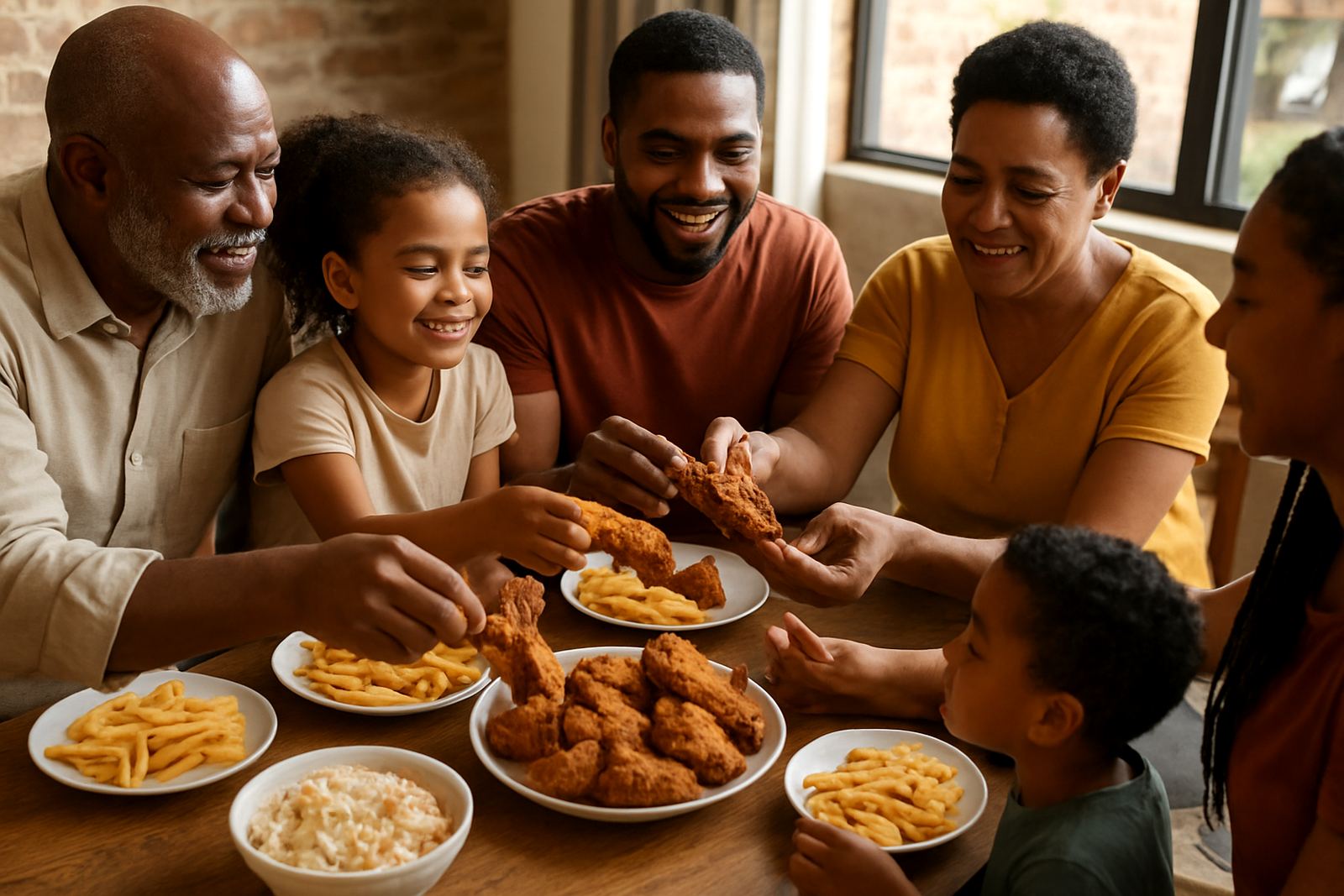
The simplest solution is to mix pieces and sauces instead of overcommitting to one style. That gives people choice without turning the table into a debate. It also helps when grandparents, children and friends are all eating together, because the meal can stay welcoming rather than too hot for half the table.
- Ask whether the group prefers mild, medium or spicy food before ordering.
- Use sauces on the side when the family includes different age groups.
- Balance spicy pieces with plain or lightly seasoned options.
For Bigger Gatherings, Portion by Plate Not by Platter
When the meal is for a birthday, a church group, a school event or a family Sunday lunch, one platter style order may not be the best answer. Bigger groups need food that can be handed out quickly and fairly. Thinking in plates helps because it forces you to consider how many people you are feeding, whether there are children, and if anyone will need seconds.
In practice, that means planning around the final plate, not just the shopping list. A good family meal should include enough protein, enough filling sides and a little breathing room for extra hunger. If you are serving in a flat, a yard or a community hall, the food should also be easy to set out and easy to clear away afterwards. That matters just as much as taste.
For local example, a Saturday family lunch in Newtown or Sandton can run smoothly if the order is ready to share, the sides are separate, and the meal can be served without a long wait. That is the difference between a meal people remember fondly and one that becomes stressful before it reaches the table.
What a Good Family Meal Order Usually Includes
The most useful family meals are usually simple, direct and easy to divide. They do not need a long list of items, only the right mix of chicken, sides and portion size. If you are ordering for home, office family day or an event, ask yourself whether the meal will work for the people eating it, not just whether it sounds impressive.
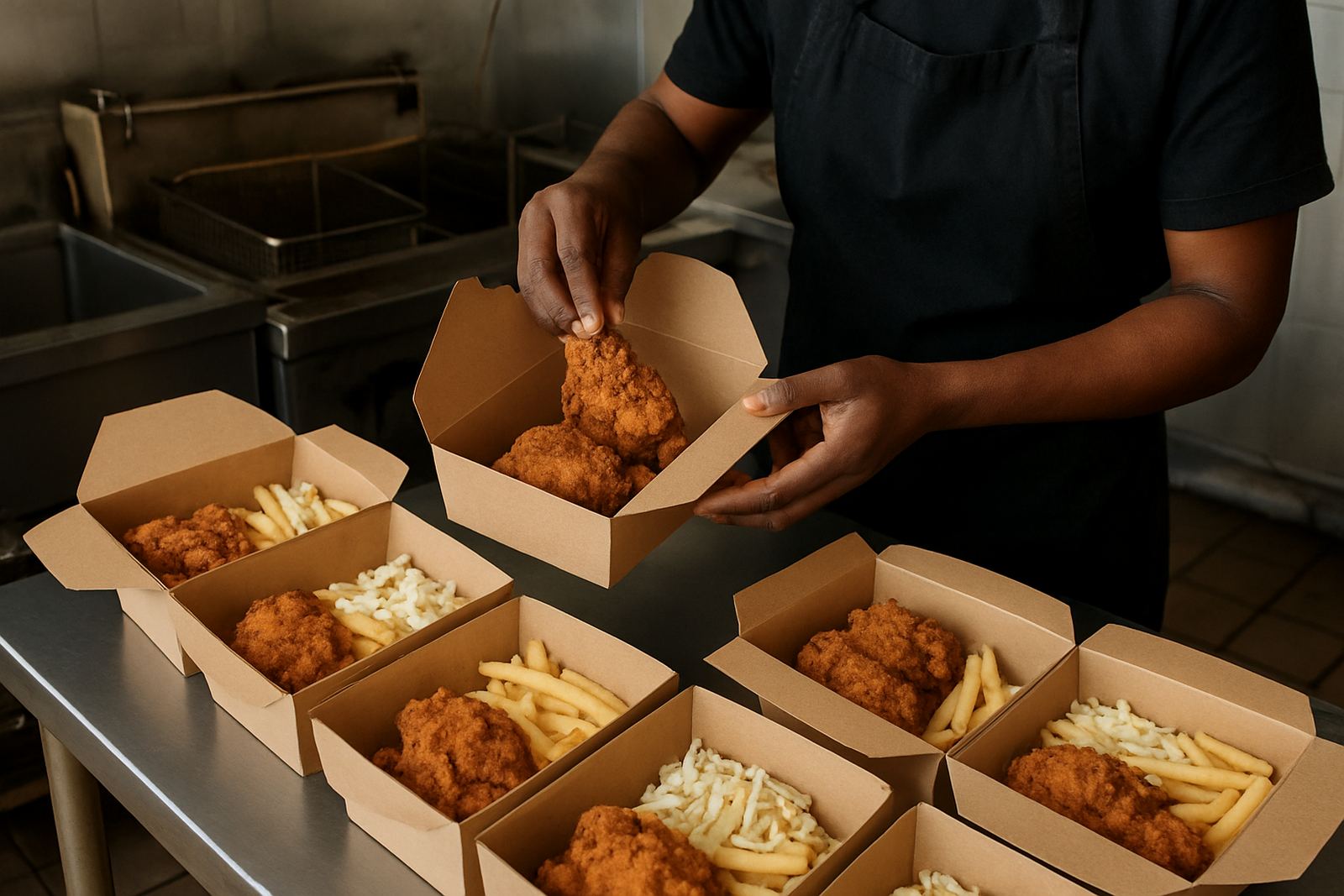
At Kung Fu Chicken, family orders are often built around the same practical ideas: enough pieces to satisfy the group, sides that children and adults will eat, and packaging that is easy to carry from branch to home or venue. That works for dine-in, takeaway, delivery and setup for events across Johannesburg, Soweto, Pretoria and Midrand. The goal is simple, a meal that arrives ready to share and does not leave anyone short.
- Enough chicken for the full group, plus a little extra if needed.
- Two or more sides that suit different ages and tastes.
- A plan for takeaway, delivery or serving at the venue.