
Why an event menu needs different thinking
A good event menu is built around timing as much as taste. At a restaurant, meals move from fryer to plate in minutes. At an event, the same food may sit in a vehicle, wait for setup, then stand on a table while guests arrive, greet one another and settle in. That extra time changes what works and what does not.
In Johannesburg, that matters even more. A lunch in Braamfontein is not the same as a late afternoon function in Pretoria Central or a school event in Soweto. Traffic, venue access, parking and load-shedding can all affect how long food spends in transit and how it holds before service. If the menu is not planned for that reality, crispy chicken can turn soft, sauces can separate and portions can become awkward to serve.
That is why event menus should be chosen for handling, not only for appetite. The best dishes are the ones that keep their shape, stay easy to portion and still taste good after a short wait. For fried chicken, that often means planning the menu around pieces that travel well, sides that do not spill easily and packaging that keeps everything neat.
Transport changes what stays crisp and what does not
Transport is one of the biggest reasons event menus differ from everyday meals. A 15 minute trip in inner Johannesburg is one thing. A longer run to Midrand, Randburg or Centurion during peak traffic is something else. Heat, steam and movement all affect fried food, especially if it is packed too tightly or sealed before it has rested properly.
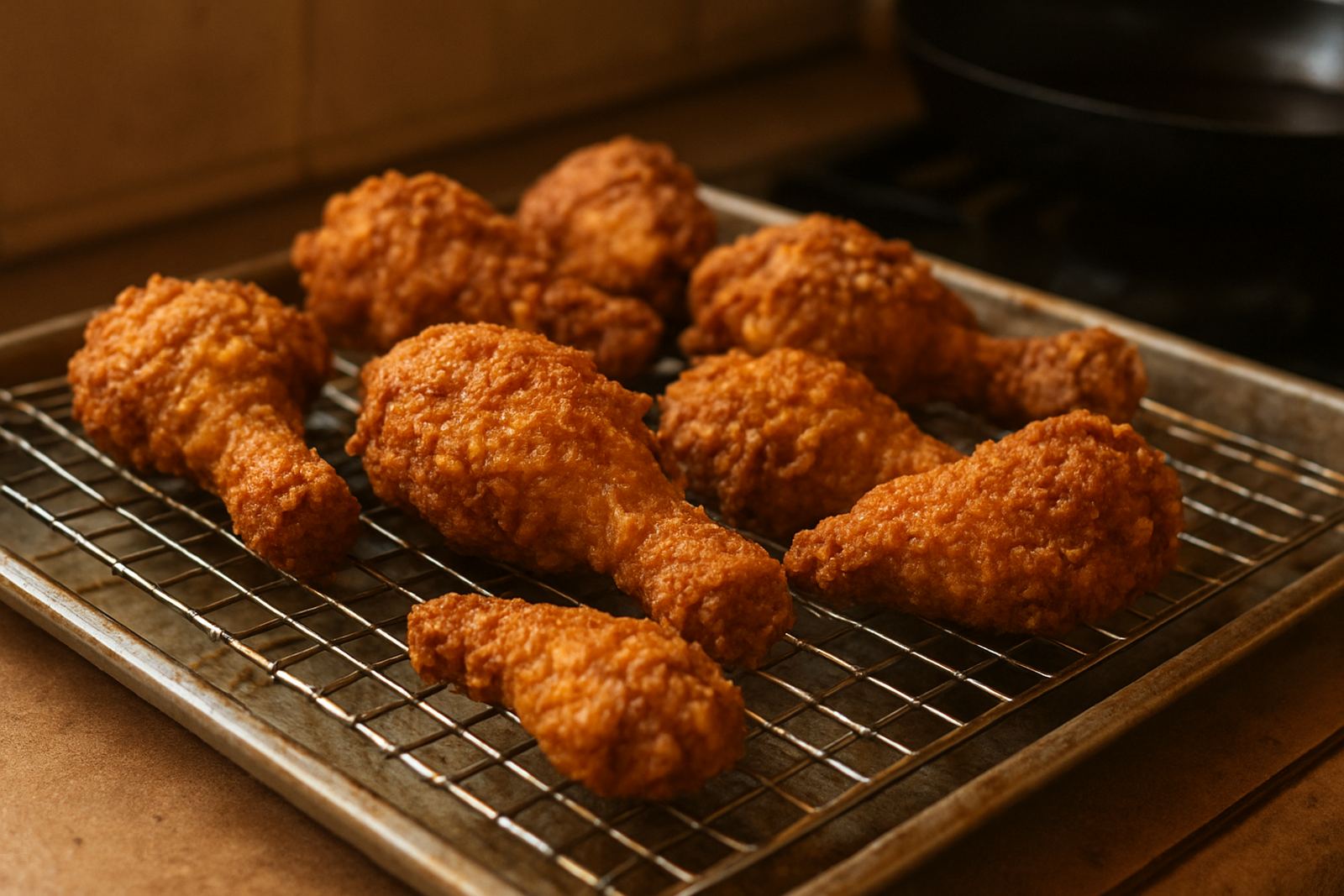
For crispy chicken, the menu should favour items that can hold structure without becoming greasy. Wings, portions and cut pieces are easier to manage than delicate items that depend on immediate plating. Boxes and trays also need enough airflow so the chicken does not sweat inside the pack. If a dish arrives damp, guests notice straight away.
- Choose pieces that reheat or hold well for 20 to 40 minutes if needed.
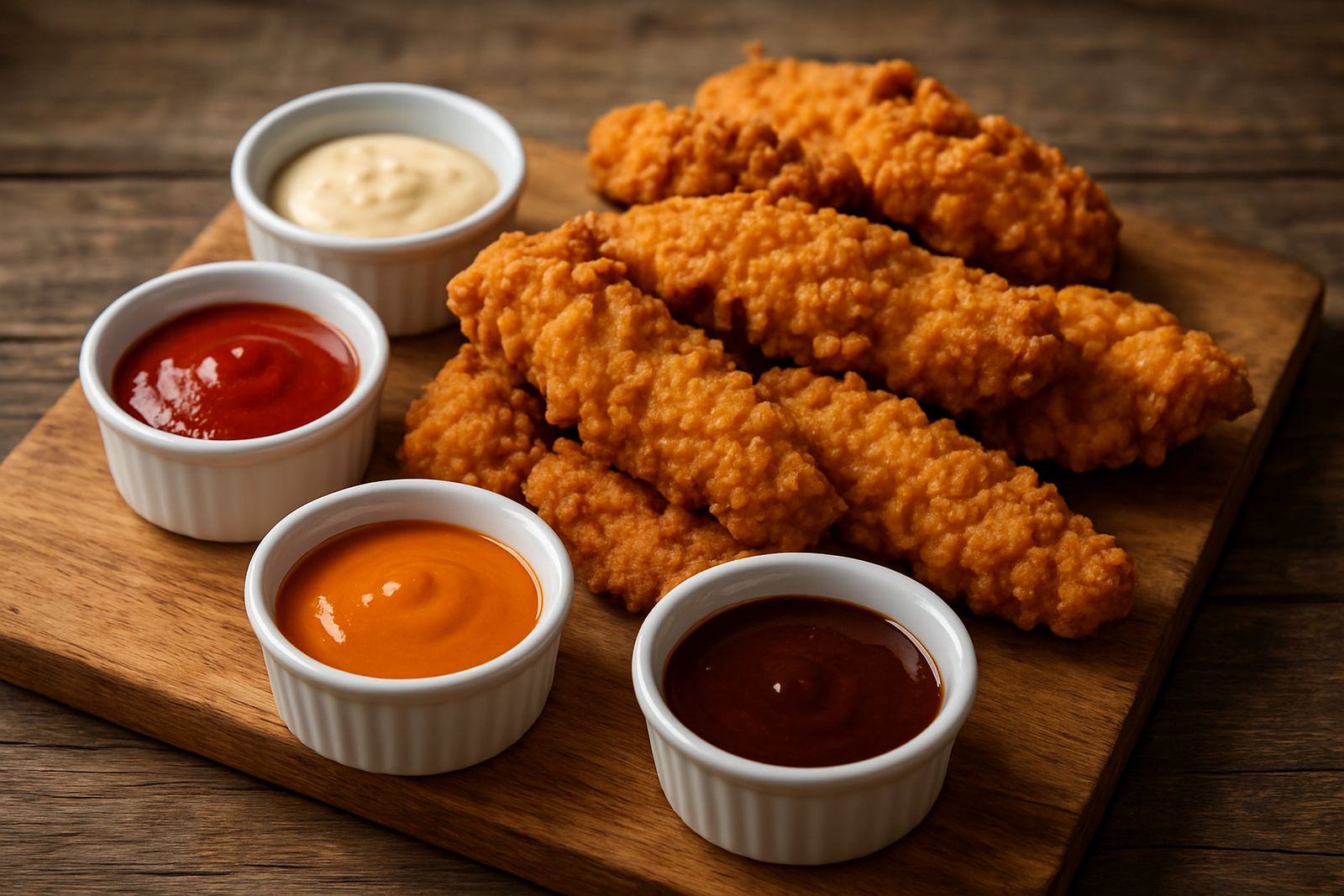
- Keep wet sauces separate until serving time.
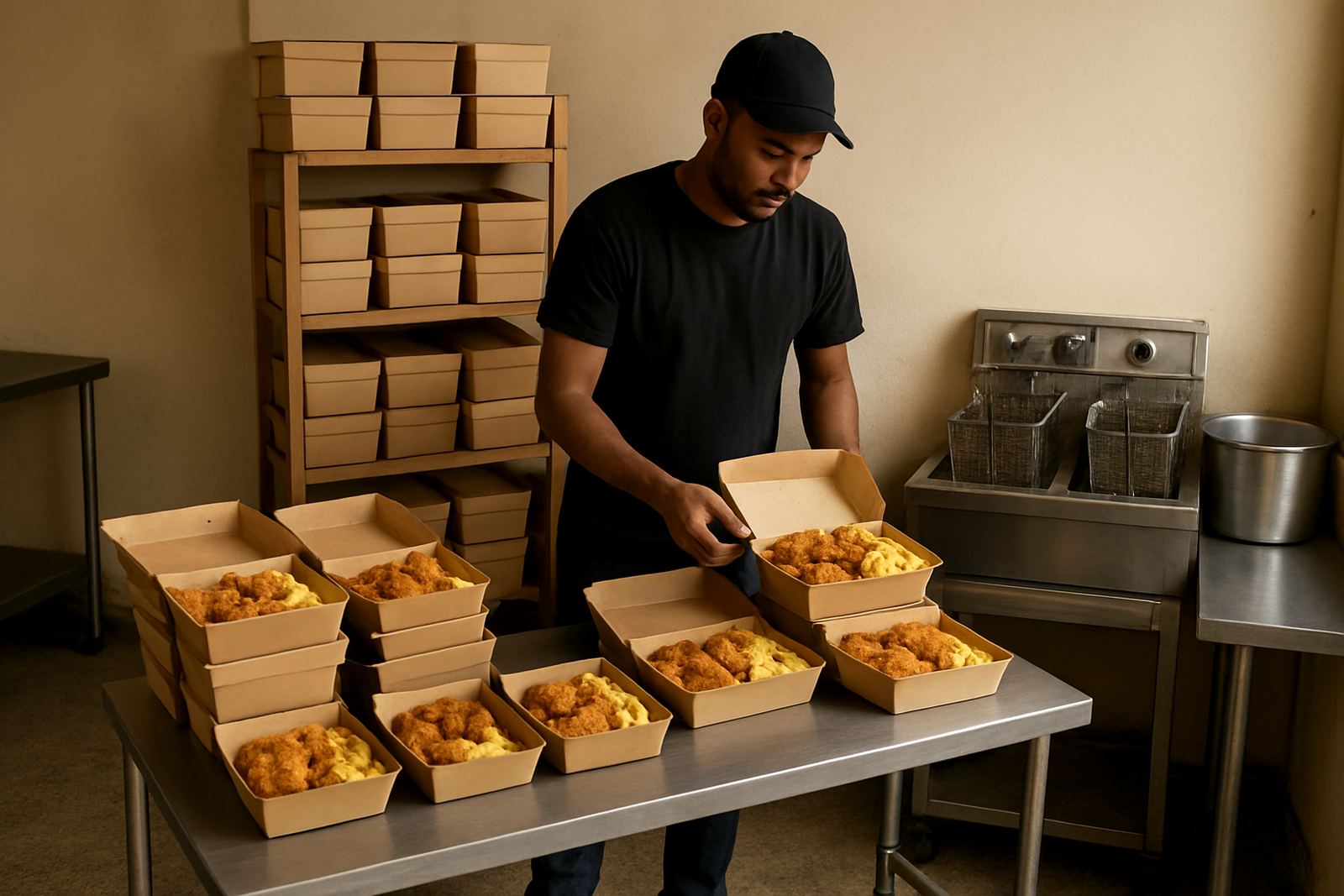
- Use packaging that prevents crushing and allows a bit of steam to escape.
- Plan delivery windows with traffic and venue access in mind, not just distance.
On humid summer days, especially in parts of Johannesburg where the air is heavy, food can soften faster than expected. A practical menu takes that into account. That may mean fewer fragile items and more plated or boxed meals that remain tidy from kitchen to table.
Waiting time shapes guest satisfaction
Guests do not always eat the moment food arrives. At weddings, church functions, community meetings and corporate events, there is often a speech, prayer, announcement or photo session first. That waiting time needs to be built into the menu. If a meal only works when it is eaten straight away, it is a poor choice for most events.
Menus should therefore include items that stay appealing after a delay. Chicken pieces with dry seasoning, wings platters and family-style bulk orders are often better than foods that become soggy or collapse under their own heat. Sides also matter. Rice, chips, slaw and rolls each behave differently. Chips can soften, while rice and slaw tend to hold better if packed correctly.
For birthdays or office lunches, smaller meal boxes often work better than open trays because each guest gets their portion at the right temperature and there is less queueing. That makes a difference in venues where staff have limited serving space or where the event runs in a tight programme. The menu should reduce stress, not add to it.
Serving style should match the crowd
Not every crowd eats the same way. A children’s school event needs speed and easy handling. A church function may need orderly distribution and clearly marked portions. A corporate lunch often needs neat servings that are easy to eat without a full sit-down setup. The menu should follow the serving style, not force the team to improvise on the day.
For larger gatherings, the best event menus are usually simple and practical. That means fewer choices but better execution. A spread with too many options can slow service and create queues. A focused menu, by contrast, lets the kitchen prepare accurate numbers and lets the event team move quickly. It also helps with budget control, which is important for community feeding and bulk orders.
- Use boxed meals where guests are moving between rooms or standing outside.
- Use platters where people can share at tables or during breaks.
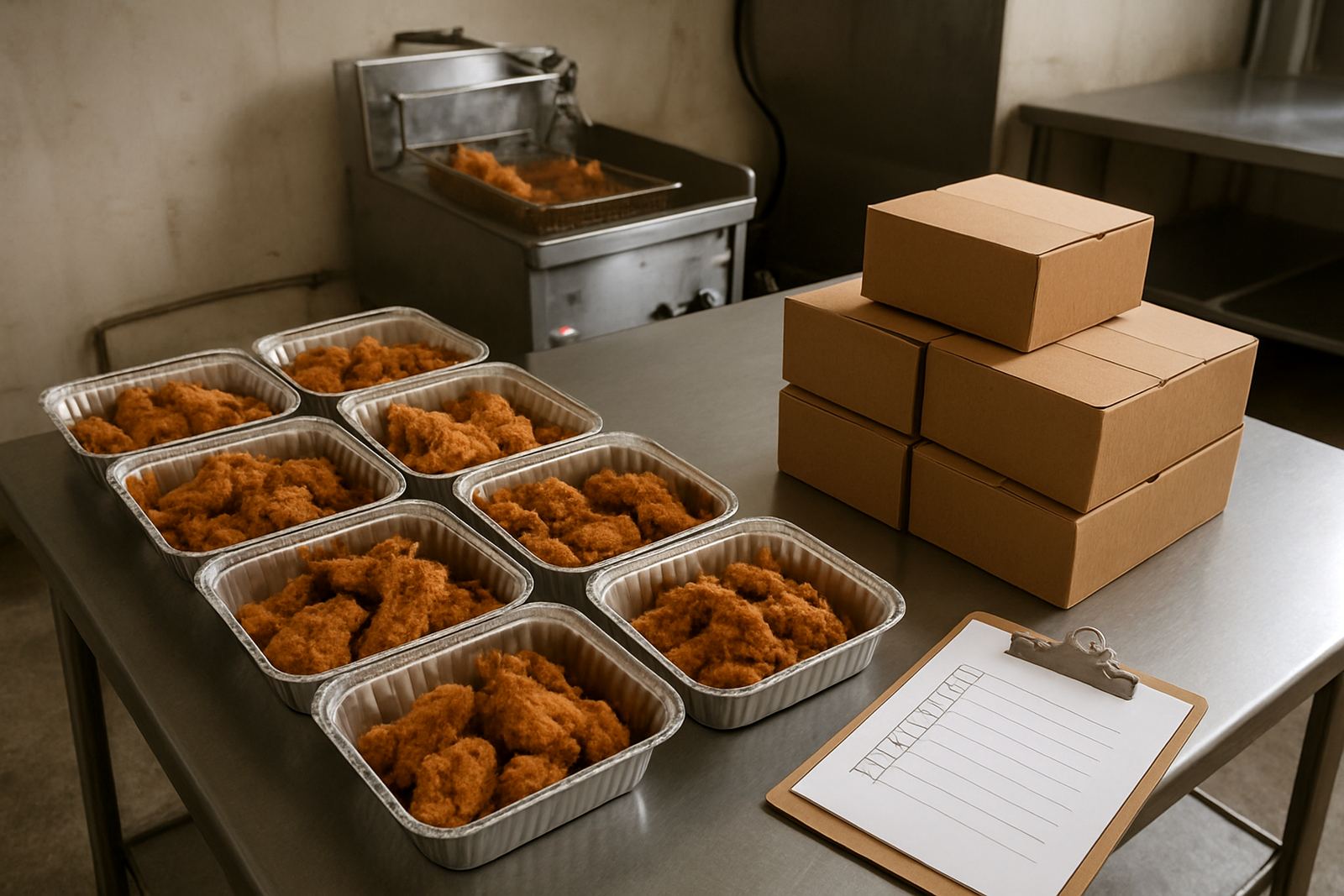
- Use bulk trays where serving staff are available and the queue can be managed.
- Match portion size to the length of the event, since a 2 hour meeting needs less food pressure than a full day programme.
In practice, that means a family celebration in Braamfontein may call for mixed chicken boxes, while a staff lunch in Sandton Service Area may work better with tidy individual meals. The right format keeps the food hot enough, neat enough and easy enough to serve.
Local example: a Johannesburg event with tight timing
Take a Saturday community event near Braamfontein, with guests arriving from Soweto, Newtown and Randburg. The organisers want food served after opening remarks, which means the kitchen has to work around traffic, venue access and a fixed service time. If the menu includes fried chicken, it must travel well, wait well and go out quickly once the speaking finishes.
In that situation, a sensible menu might include chicken portions, wings platters, family bulk orders and a side that stays stable during setup. Delivery should be timed close to service, not too early. Setup needs to be fast, with trays opened only when the line is ready. If the event is outdoors and the weather is warm, the team may also need shade for the food table and a clean surface for serving.
This is the point many organisers miss. Event food is not only about quantity. It is about the order in which things happen. A well planned menu reduces waiting, keeps the chicken crisp and makes the whole function feel organised. That is why event catering works best when the menu is built around the programme, not the other way round.
What to ask before you finalise the menu
Before confirming any event order, it helps to ask a few direct questions. These are not small details. They decide whether the food lands well or causes problems on the day. A good caterer will want to know them too, because they affect prep time, packaging and delivery setup.
- How long will the food need to wait before serving?
- Will guests sit down, move around or queue for their meals?
- Is the venue indoors, outdoors or split between both?
- Will there be access for setup close to the serving point?
- Do you need individual meals, sharing platters or bulk trays?
- Are there any school, church or municipal venue rules that affect service?
Once those answers are clear, the menu becomes much easier to get right. The kitchen can recommend portions, packaging and delivery timing that suit the event instead of guessing. For organisers, that means less waste and fewer surprises. For guests, it means food that still tastes good when it reaches the table.