
Why Compact Venues Need a Different Catering Plan
Small rooms, school halls, office boardrooms and church side areas all ask for the same thing: food that is easy to serve and simple to clear. If the menu needs too many serving tables, too much cutting, or too many people standing in line, the whole event starts to feel crowded.
That is why small space event catering works best when the service is planned around flow. In Braamfontein and Newtown, for example, many events happen in multi-use halls where chairs are packed close and there is only a narrow gap for movement. A practical food setup keeps that space usable. Guests can collect their meals, sit down quickly, and the host can still use the room for speeches or group activities.
For events in Johannesburg, Soweto, Pretoria, Midrand and nearby service areas, compact catering is not about doing less. It is about choosing portions, packaging and timing that suit the room. The best result is food that arrives ready to eat, with no long wait and no spillages on packed tables.
Menu Choices That Fit Tight Service Areas
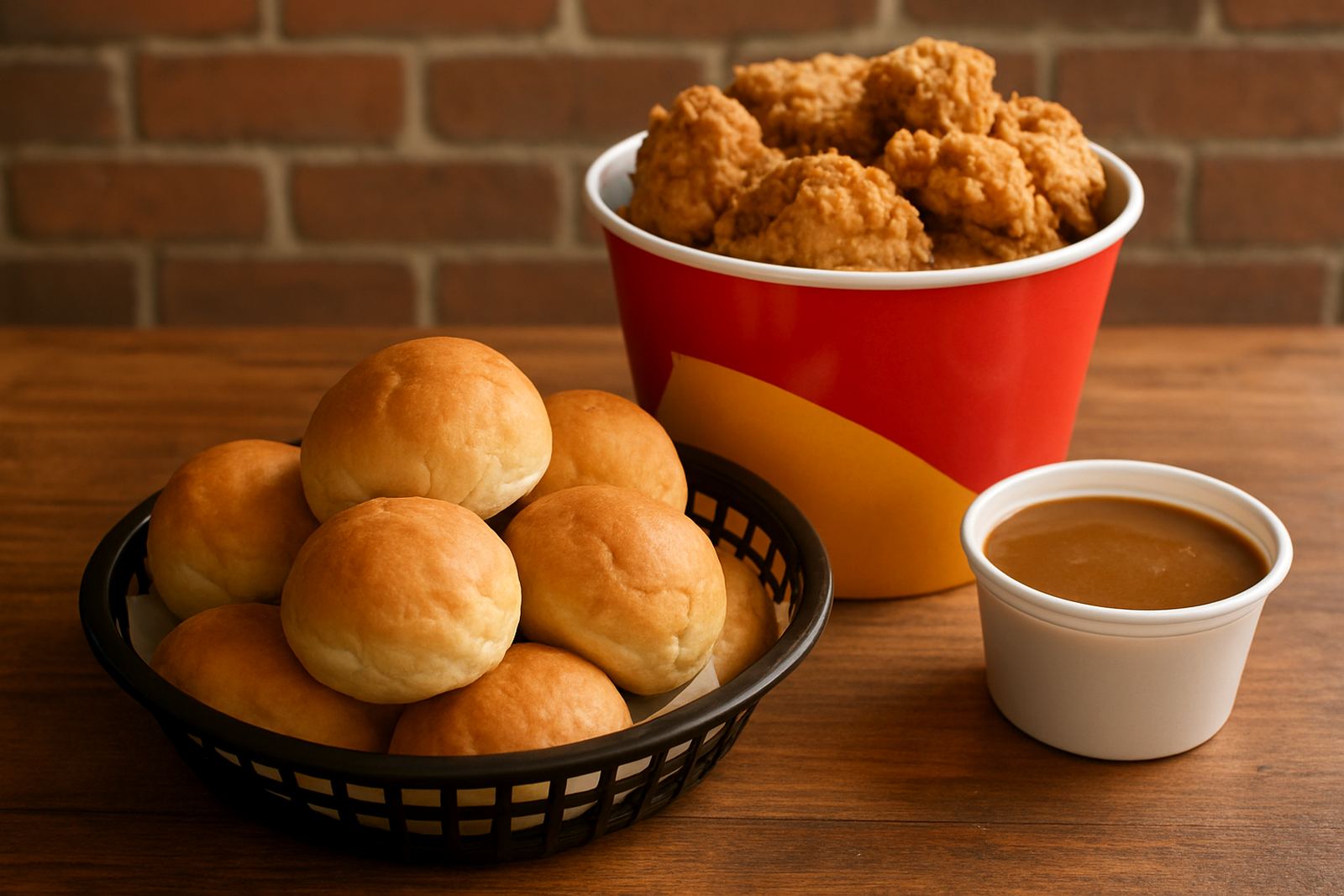
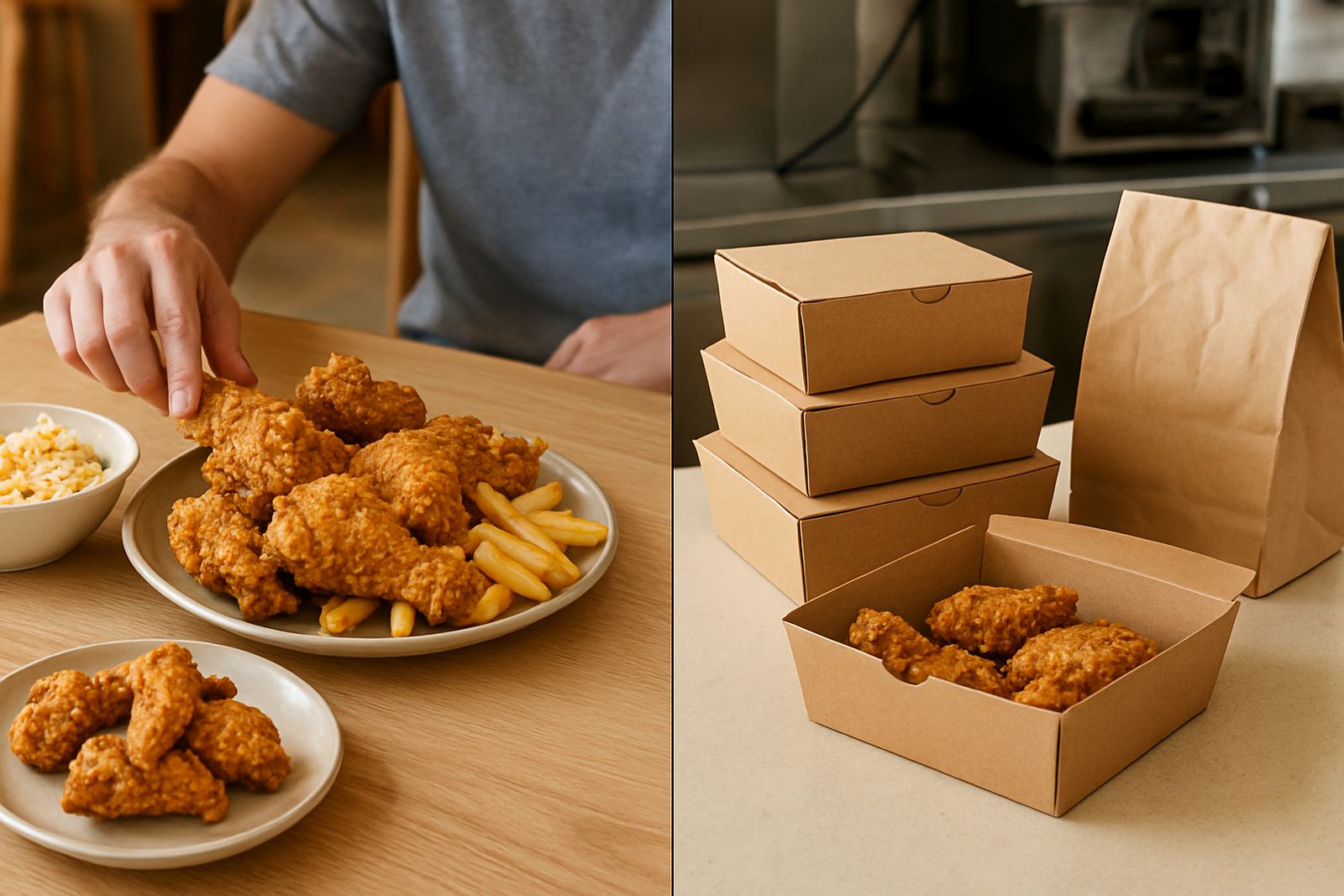
Chicken is a strong choice for smaller venues because it is familiar, filling and easy to portion. Fried chicken pieces, wings and family meals can be packed for quick handover or plated in a way that keeps the serving area moving. Guests do not need special instructions and the food stays neat for longer.
For compact events, the best menu items are the ones that can be served in one action. That usually means less carving, fewer shared utensils and fewer items that need constant refilling. It also helps when the food holds well during short delivery runs between branches and venues across Johannesburg and Pretoria.
- Wings platters for finger food style service
- Event meal boxes for seated groups with limited table space
- Family bulk orders for birthdays and home gatherings
- Crew meal drops for teams with short break times
- Party catering for simple, shared serving
A good rule is to match the menu to the room size. If the venue has one serving table, keep the food list focused. If there is no full kitchen on site, choose items that need little extra handling and no extra heating equipment.
Setup Ideas That Keep Guest Flow Moving
In a small room, the serving plan matters as much as the menu. One long queue can block the entrance, the drinks table and the seating area all at once. A cleaner setup uses one clear service point, enough cutlery for the full guest count, and food placed so people can move in one direction.
For office catering, church catering or school functions, delivery and setup should be quick and tidy. Trays, boxes and labels help staff know what goes where. If the event has a short break, the food needs to be ready before guests stand up. That avoids crowding at the door and keeps the programme on time.
- Use boxed meals where tables are very close together
- Place drinks away from the main food point to reduce congestion
- Keep sauces and extras on a side table rather than the main queue
- Allow enough space for waste bins and return trays
- Set up before guests arrive so there is no rush at service time
In a hall with limited floor space, even one extra table can make a difference. A compact catering plan should leave room for the host, the caterer and the guests without anyone needing to squeeze past another person.
Local Example: A Braamfontein Meeting With Limited Room
Take a weekday event in Braamfontein. A small training venue is booked for a business breakfast and a short presentation. There are 35 guests, two rows of chairs and only a narrow service corner by the wall. If the catering arrives as loose trays with no plan, the room fills up quickly and service becomes messy.
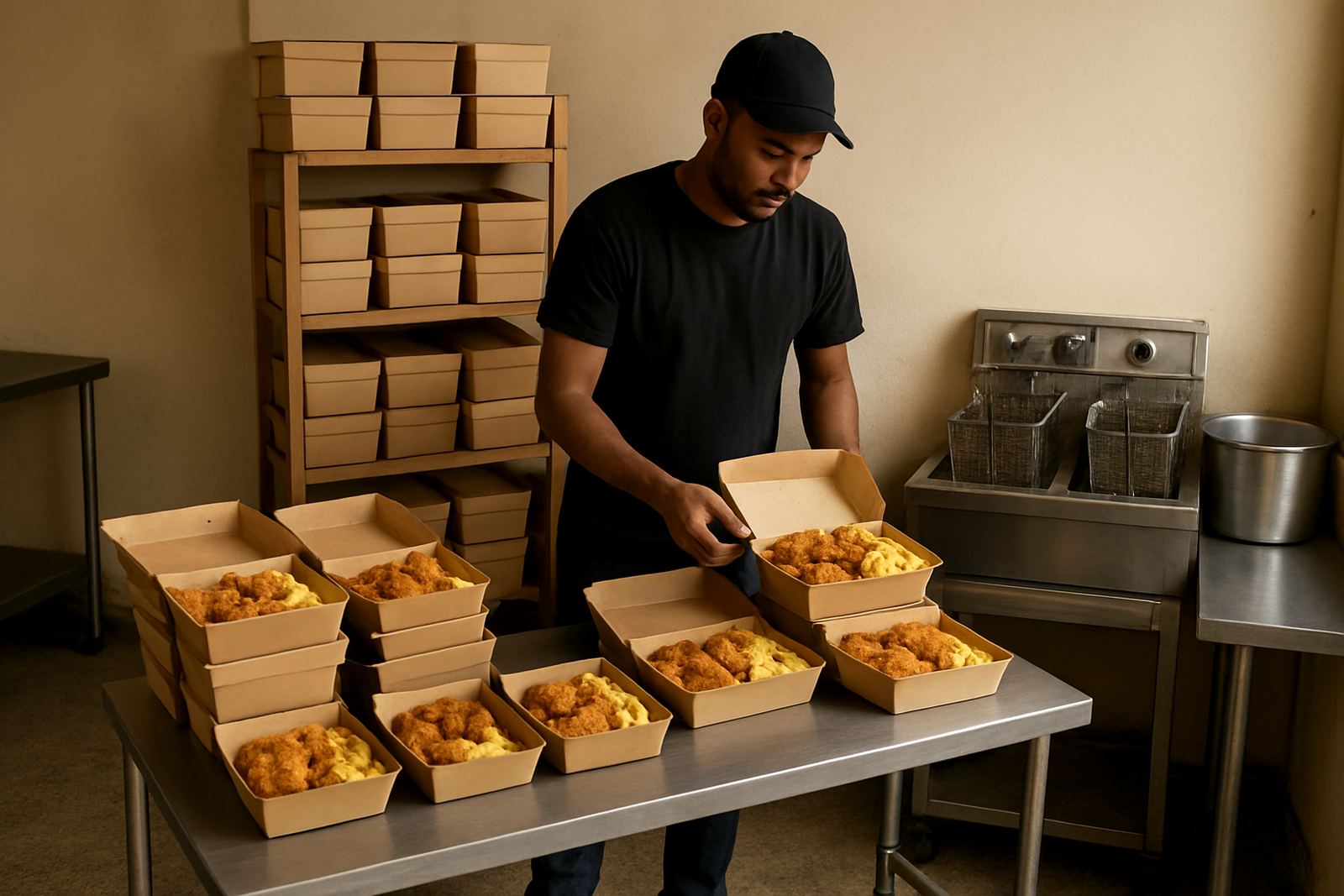
Now picture the same event with meal boxes, clearly counted portions and a timed drop just before guests break. The food is handed out in one line, the bins are set near the exit, and the seating stays open. Guests eat without juggling plates and the host can start the next item on the agenda on time. That is the difference a small space plan makes.
This approach also works for Soweto family functions, Pretoria Central church gatherings and Midrand team meetings. The venue may change, but the rule is the same: less clutter, faster service, cleaner movement.
How to Cater for Different Event Types in Small Rooms
Not every compact event is the same. A birthday at home needs a different setup from a corporate lunch in Sandton or a community feeding drive in Randburg. The menu must suit the guests, the timing and the room size.
For birthdays and family gatherings, platter style service works well when people are relaxed and can move at their own pace. For office lunches, individual boxes are usually easier because staff can eat quickly and return to work. For church or community events, bulk orders help when organisers need to serve many people with limited helpers.
- Birthday packages for homes and small function rooms
- Corporate lunches for short breaks and meeting slots
- Community feeding where serving speed matters most
- School catering for controlled portions and orderly handover
- Event meal boxes when seating is fixed and space is tight
When the catering team understands the event type, they can prepare the right quantity and packaging. That saves time, cuts down waste and keeps the room from becoming crowded at the wrong moment.
What Hosts Should Confirm Before the Food Arrives
Before confirming a small space event, the host should check a few practical points. These simple details help avoid last minute pressure and make delivery and setup much smoother, especially in busy parts of Johannesburg where parking and access can be tricky.
- How many guests will be served
- Whether the venue has tables, counter space or only open seating
- Where the caterer can park and unload
- Whether the venue allows heating equipment or open flames
- What time food must be ready for the first guest
In some buildings, load-shedding can affect lighting, lifts or access to prep areas, so the caterer should know that in advance. Coastal humidity is not a Johannesburg issue, but weather and heat still matter for transport and holding time, especially for larger bulk orders in summer. A small room gives very little margin for error, so planning matters. A clear brief helps the food arrive in the right format and keeps the event running without stress.