
Start With The Right Mix Of Portions
The first rule of a share platter is simple: count people, then plan for appetite. A platter for four office staff at lunch will need a different balance from a birthday table in Braamfontein where people are chatting, picking and going back for seconds. If you start with portions that are too small, the platter looks neat but leaves everyone short. Too much of one item and the meal becomes heavy before the last piece is served.
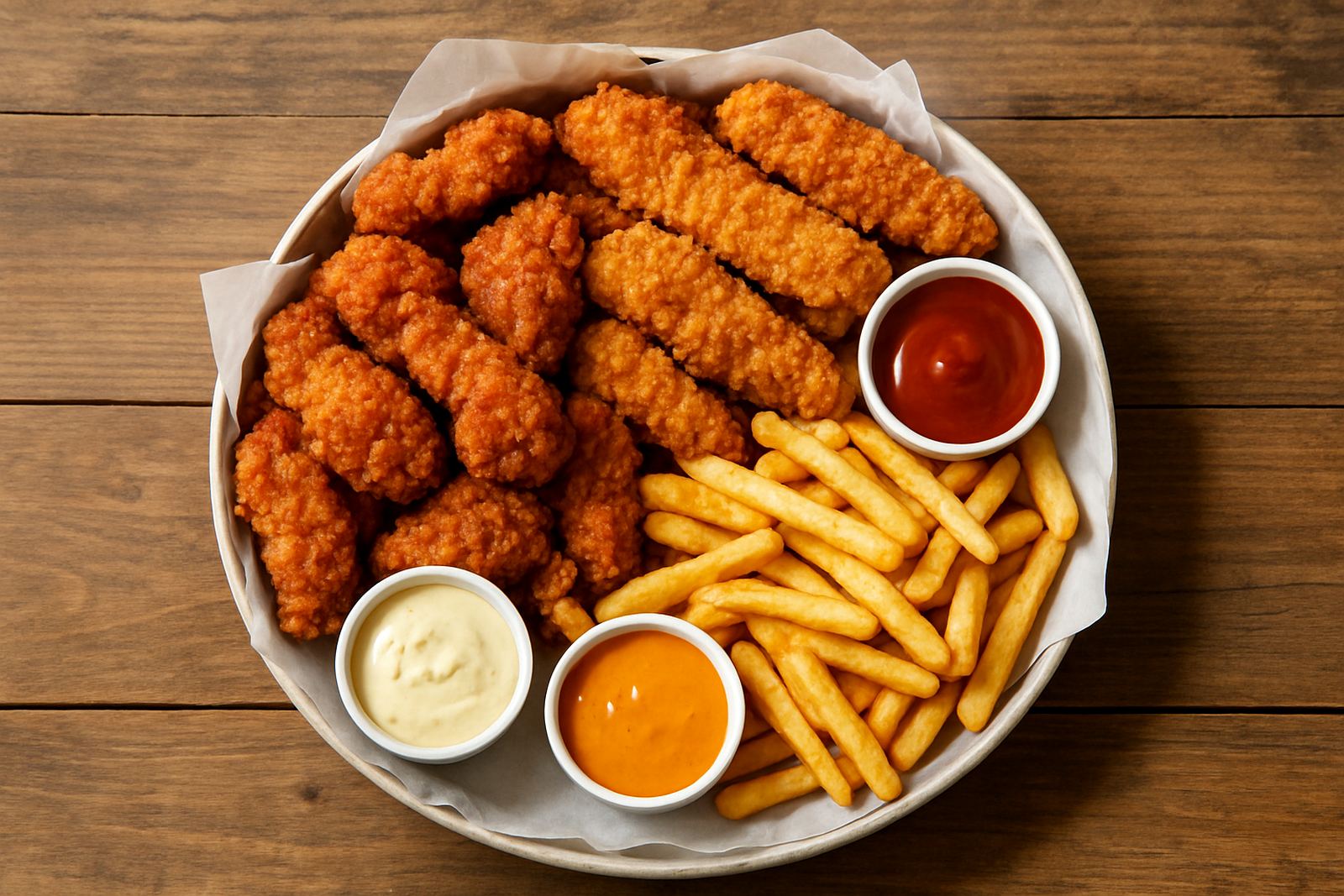
For most groups, it helps to build around a clear centre. Fried chicken pieces can carry the main weight, while wings add variety and are easy to handle. Then bring in a side or two that gives the table more balance. If the order is for a school function, church gathering or family afternoon, ask how many are adults and how many are children, because small hands and smaller appetites can change the mix quite a bit.
- Small group of 4 to 6: one main chicken portion, one wing portion and 2 sides
- Medium group of 8 to 12: two main portions, one or two wing portions and 3 sides
- Larger group of 15 or more: build in layers so the food stays easy to serve and top up
Use Texture To Keep The Platter Interesting
A share platter works best when each bite feels a little different from the last. That means crispy coating, tender meat, a soft side and something with a bit of bite. Without that mix, people lose interest quickly and the platter starts to feel one-note. The crunch of well-fried chicken matters, but so does what sits beside it on the tray.
Think about the way people actually eat at a table. They often grab a wing, then a side, then another wing. The platter should support that habit. A smooth side can cool the palate after spicy pieces, while a firmer side helps hold the meal together. In hot Johannesburg weather, especially at outdoor events, this matters even more because food that is too soft can lose appeal fast.
- Crispy chicken for the main texture
- Wings for easy picking and quick sharing
- Sides with different weights and moisture levels
Match Heat Levels To The Group
Spice is one of the easiest ways to make a platter feel lively, but it should not overpower the whole table. Some guests want proper heat, others want flavour first and fire second. A sensible platter gives people choice instead of forcing the same level of spice on everyone. That is especially useful for mixed groups at corporate lunches, family events and community feeding where children and older guests may be included.
A practical approach is to build one mild section, one medium section and one spicier section. If the platter includes saucy wings, keep them slightly separate from the crispest pieces so the coating does not go soft too soon. For events in Soweto, Midrand or Pretoria Central where food may sit before serving, heat should still taste clear after a short wait, not disappear under the sauce.
When the team is ordering for a special occasion, it helps to think beyond what is popular and consider who will actually be eating. That one simple habit makes the whole spread work better and avoids leftovers that no one wants.
Choose Sides That Help The Chicken Go Further
Sides are not filler. Done properly, they stretch the platter, balance the richness and help people enjoy more bites without feeling stuffed too soon. The best sides are the ones that hold their shape, travel well and still taste good after a short delay. This is useful for delivery and setup in areas like Randburg, Newtown and Sandton Service Area, where timing can vary with traffic.
For office catering or crew meal drops, the sides should be practical. They need to pack neatly, serve quickly and suit people who may be standing around while working. For family bulk orders, the side choices should be familiar enough for children but still satisfying for adults. A good mix often includes one starchy item and one lighter item, then the chicken does the rest.
- Choose sides that reheat well if the meal will be served later
- Avoid anything that becomes soggy during travel
- Keep enough portion space so the chicken does not get crowded
Plan For Delivery, Setup And The Table Itself
A platter that looks perfect in the kitchen can fall apart if it is not planned for the table it will land on. A church hall in Centurion, a school sports day in Braamfontein, and a backyard birthday in Midrand all need slightly different service plans. That means thinking about tray size, lid fit, serving utensils and whether the food will be plated or left for self-service.
For events, ask whether the platter needs to travel a short distance or cross town. Johannesburg traffic can be slow, and load shedding can affect timing at venues with limited backup power. If the food must wait, it is better to use packaging that keeps heat without trapping too much steam. That helps the chicken stay crisp and the wings hold their flavour.
Practical service matters too. If the table is small, split the order into two trays instead of one large one. If guests are moving around, place the sauces and napkins where people can reach them without blocking the flow. Small details like that make the meal easier and there is less mess to clear afterward.
A Local Example: Feeding A Mixed Group In Braamfontein
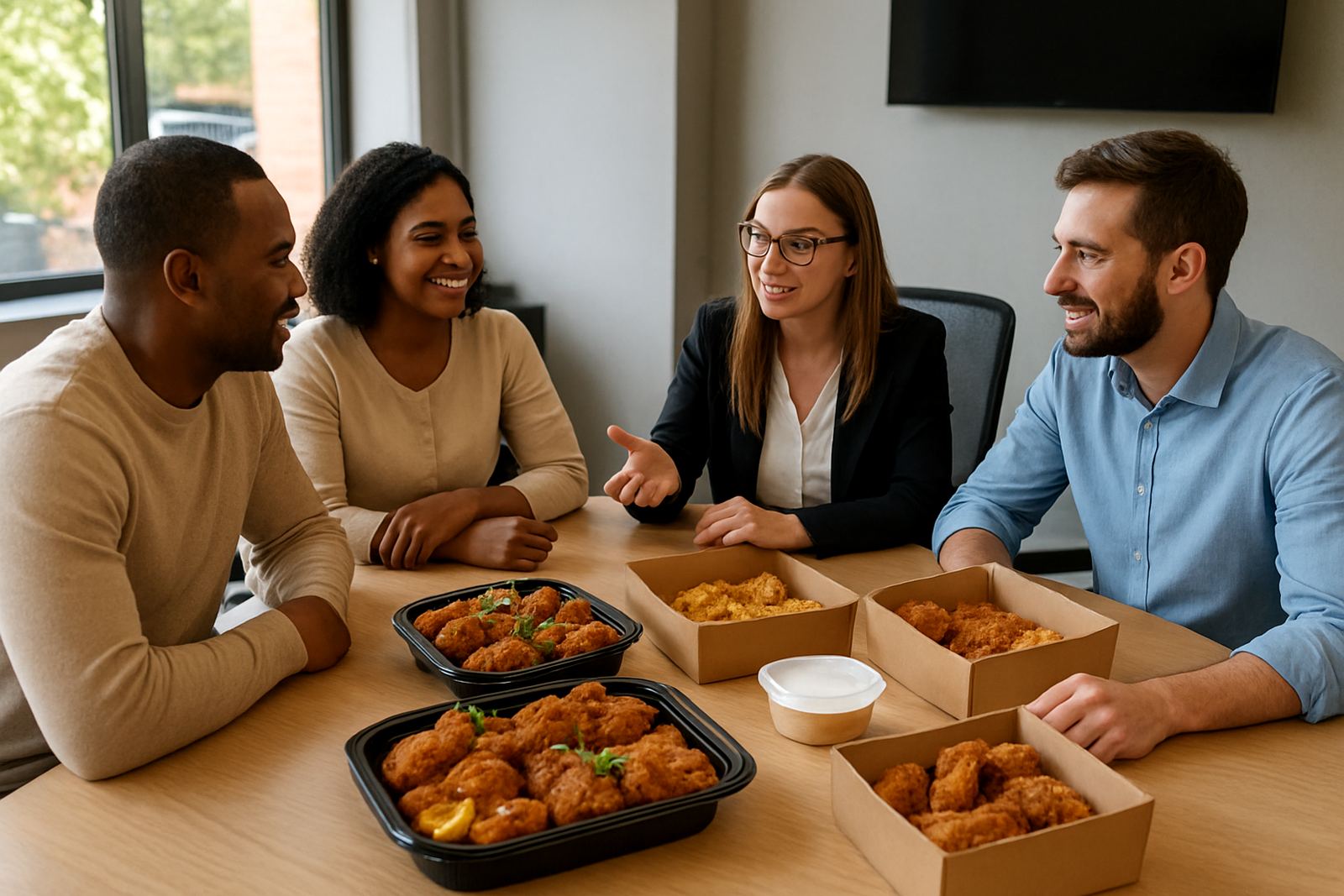
Picture a Friday lunch in Braamfontein with office staff, students and a few guests from nearby businesses. The group wants something filling, quick to share and easy to eat without too much fuss. In that setting, the best platter is not the one with the biggest pile, but the one that gives enough variety for different appetites. A mix of crispy chicken, wings and two solid sides works well because people can choose what suits them and still feel like they have had a proper meal.
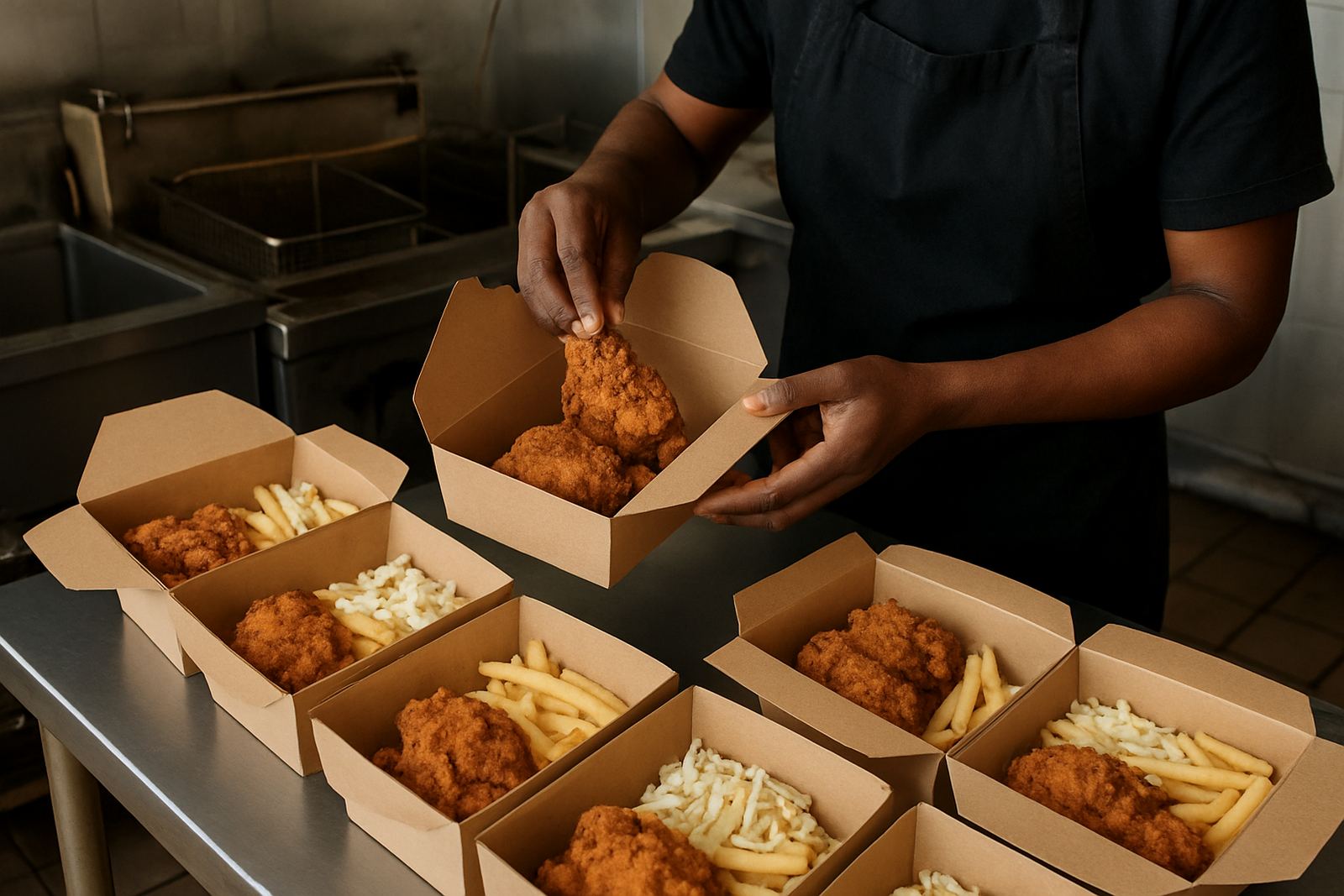
If some guests like heat and others prefer milder food, separate the spicy wings from the rest of the platter and keep the cooler side nearby. That way the meal feels thoughtful rather than random. For events like this, an order can also be scaled up with extra meal boxes or a second tray if the group grows at the last minute, which happens quite often in real life.
The best platters are the ones that disappear naturally from the table. No one has to explain how to eat them, and no one leaves feeling short changed. That is the point of a share meal: it should be easy, filling and social at the same time.