
The after-work supper rush in Joburg
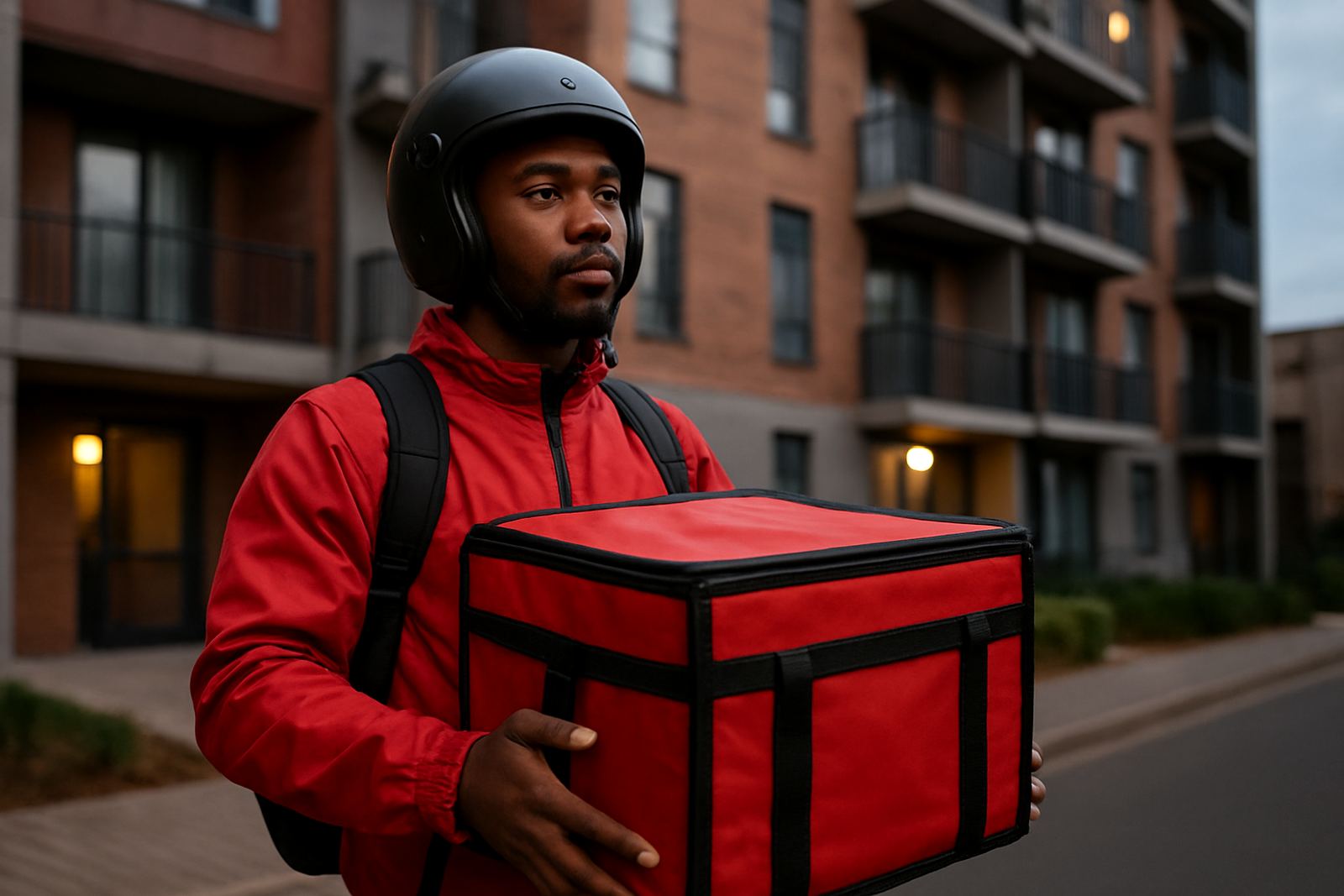
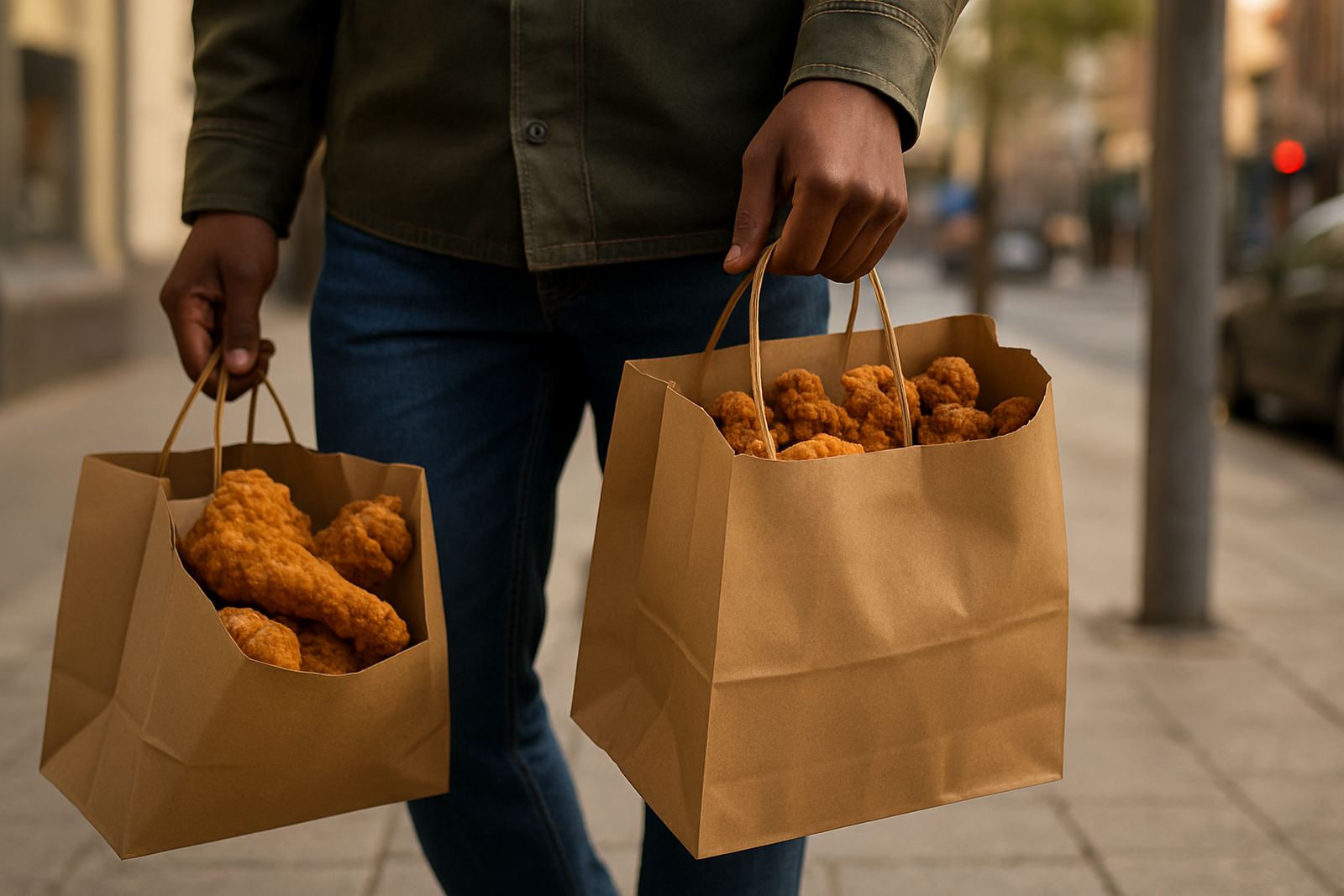
Takeaway suppers work best when the meal is ready for a customer who is leaving the office, picking up children, or crossing town after traffic has eased a little. In Braamfontein, Soweto, Pretoria Central, Midrand and the surrounding service areas, that usually means a wave of orders between 5 pm and 8 pm, with smaller bursts on Fridays and month-end. People want food that travels well, stays crisp enough for the drive home and can feed more than one person without extra fuss.
For Kung Fu Chicken, this use case is about speed without losing the fried finish that customers expect. The menu mix of wings, chicken portions, family packs and bulk supper boxes suits households that want dinner sorted in one stop. It also works for people collecting after sport, church, a late class or a site meeting. In a city where load-shedding, traffic and tight parking all affect the supper run, the takeaway offer has to be practical from the first order to the last handover.
- Best suited to 2 to 6 person households
- Strong demand from office workers and students
- Works well for weekday and weekend evening trade
- Simple to collect, simple to reheat if needed
A practical equipment set for supper trade
A takeaway supper counter depends on equipment that can hold pace during a busy evening and recover quickly after power cuts or a rush of walk-ins. The cooking side usually needs commercial fryers, a prep table, hot holding cabinets, refrigerated storage, a digital scale, heat resistant tongs, spill-safe sauce bottles and packaging shelves close to the pass. If the branch serves wings platters or family bulk orders, a second fryer or a larger oil capacity helps keep batch timing steady.
On the front-of-house side, the right set-up includes a till point, queue markers, order slips or digital order management, takeaway bag racks and a clean collection shelf. For branches in wetter or coastal conditions, packaging storage should stay dry and off the floor. In Johannesburg and Pretoria, dust and temperature swings are more common, so ventilation and extraction matter just as much as the cooking line. Where evening load-shedding is a regular issue, backup power planning should cover lighting, refrigeration and one frying line at minimum.
- Commercial fryers sized for repeated batch cooking
- Hot holding for portions that wait a few minutes for collection
- Refrigerated prep space for raw chicken and sauces
- Backup power or gas support for evening trading
- Secure shelving for clamshells, bags, serviettes and cutlery
Layout choices that keep collection moving
The best takeaway supper layout is compact and obvious. Customers should know where to queue, where to pay and where to collect without asking twice. At busy branches, the collection point should sit away from the raw prep zone so the staff can plate, bag and hand over orders with less crossing. A simple counter line works better than a crowded seating mix when most customers are collecting after work.
For a branch in Braamfontein or Newtown, where foot traffic can spike fast, the kitchen should sit as close as possible to the service point. That cuts walking time for staff and keeps orders moving in the same direction. In Midrand or Centurion, where more customers arrive by car, a separate waiting strip or short-stay parking arrangement can help avoid congestion at the door. If the branch also handles delivery and setup for office catering or events, packing space needs to be large enough for meal boxes, labels and drink crates without blocking the main supper route. A minor layout mistake, like placing the hot hold too far from the pass, can add minutes at the worst time.
What customers expect from a takeaway supper menu
A takeaway supper offer has to feel complete. Most customers are not looking for a complicated dinner, they want a portion that satisfies and a few sensible sides. For fried chicken, that means wings, pieces, chips, rice, rolls or a family meal box that can be split at home. If the menu is too broad, service slows down and the evening rush becomes harder to manage. If it is too narrow, customers will choose another option when they need a full supper.
Kung Fu Chicken is well placed for this because the menu already fits family eating and sharing. The strongest supper items are the ones that pack neatly, stay warm and are easy to count out at the till. Add-ons should be quick to assemble, not fiddly. A good takeaway supper menu should also work for groups with different appetites, so there is a size range from a single meal to a bulk order for a team or family gathering.
- Single-serve portions for one person after work
- Shared family packs for 3 to 6 people
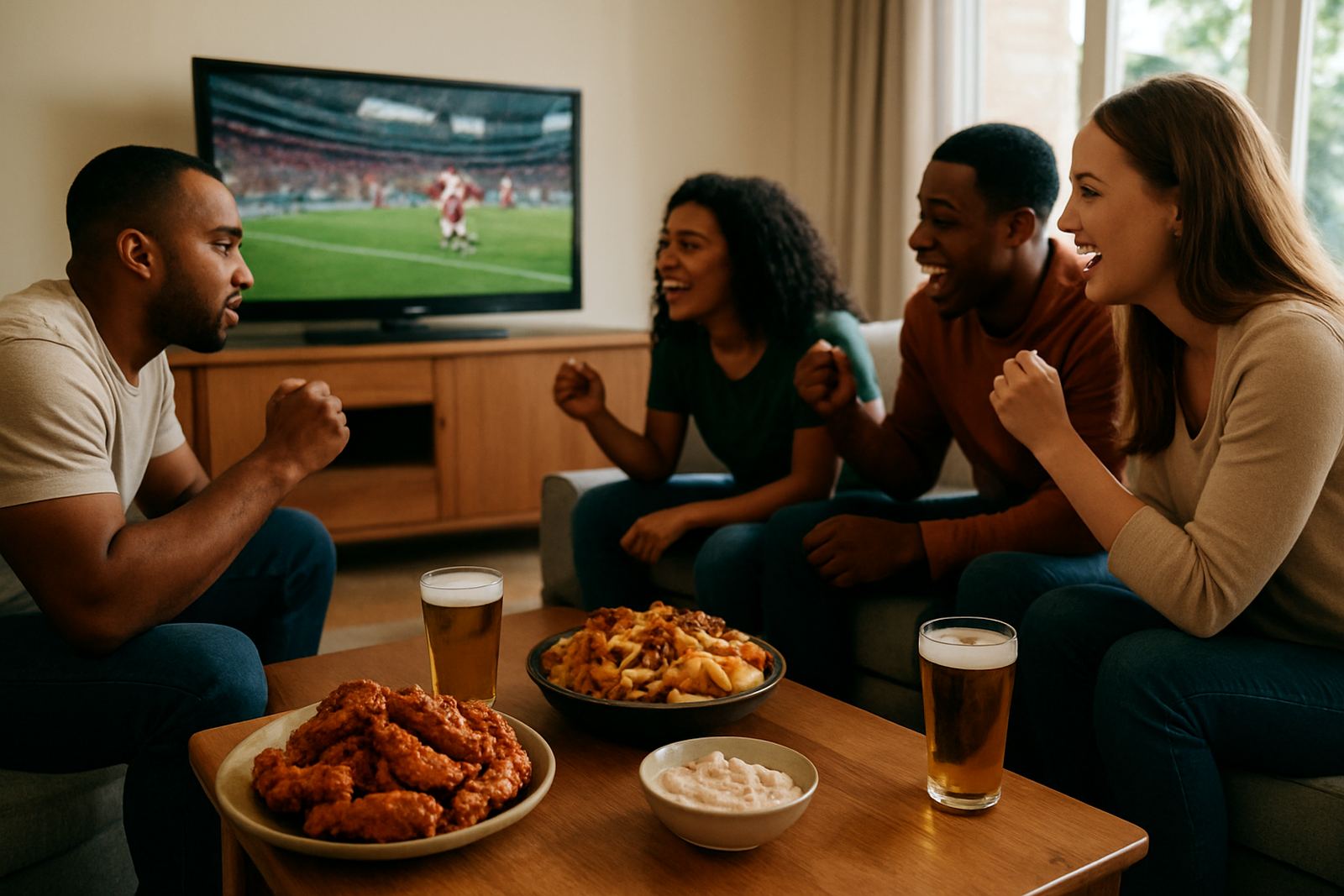
- Wings platters for gatherings and sports nights
- Add-on sides that are fast to portion
- Clear pricing so customers can choose quickly
Common mistakes that slow down supper trade
The most common mistake is underestimating the evening rush. If too few batches are cooked ahead, customers wait too long and the queue backs up. Another problem is weak packaging. Chicken that is packed while too wet or sealed too tightly can lose crispness before it reaches the car, especially in warm weather. Staff need a system for draining, boxing and bagging in the same order every time.
Stock control matters as well. Running out of wings, portions or takeaway boxes during supper time can knock out repeat trade for the whole week. The same goes for poor signage or confusing collections. Customers should never have to ask where to stand or whether their order is ready. On the operations side, skipping a proper cleaning routine leads to oil smell, poor presentation and slower service. It is simple work but it has to be done every day, not only when management is on site.
- Too few batches ready before 6 pm
- Poor box ventilation leading to soft chicken
- Not enough stock of packaging and sides
- Confusing collection flow at the counter
- Cleaning left too late in the evening
Budget ranges for a takeaway supper set-up
The cost of setting up takeaway suppers depends on size, output and whether the branch is new or already trading. A small supper counter with the basics can start around R180 000 to R350 000 if the kitchen space is modest and the equipment list is kept tight. A more active branch with stronger extraction, extra cold storage and two fryer lines can sit between R350 000 and R700 000. For sites that also handle family bulk orders, catering packs and high evening volumes, the budget can move beyond that, especially if backup power and a better customer waiting area are included.
Planning should also leave room for packaging, signage, first stock, staff training and a small working reserve for the first few weeks. In Johannesburg, rent and utility patterns vary a lot between Braamfontein, Sandton and Randburg, so the same supper model can land at very different monthly costs. A practical budget is not only about equipment price, it is about getting through the first evening rush with enough stock, clean prep space and a system that keeps moving.
For a business like Kung Fu Chicken, the takeaway supper model suits branches that want repeat evening trade, family orders and quick collections without wasting floor space. The right setup keeps the fryers working, the queue short and the supper moving out the door while it is still hot.