
When the Match Crowd Arrives Hungry
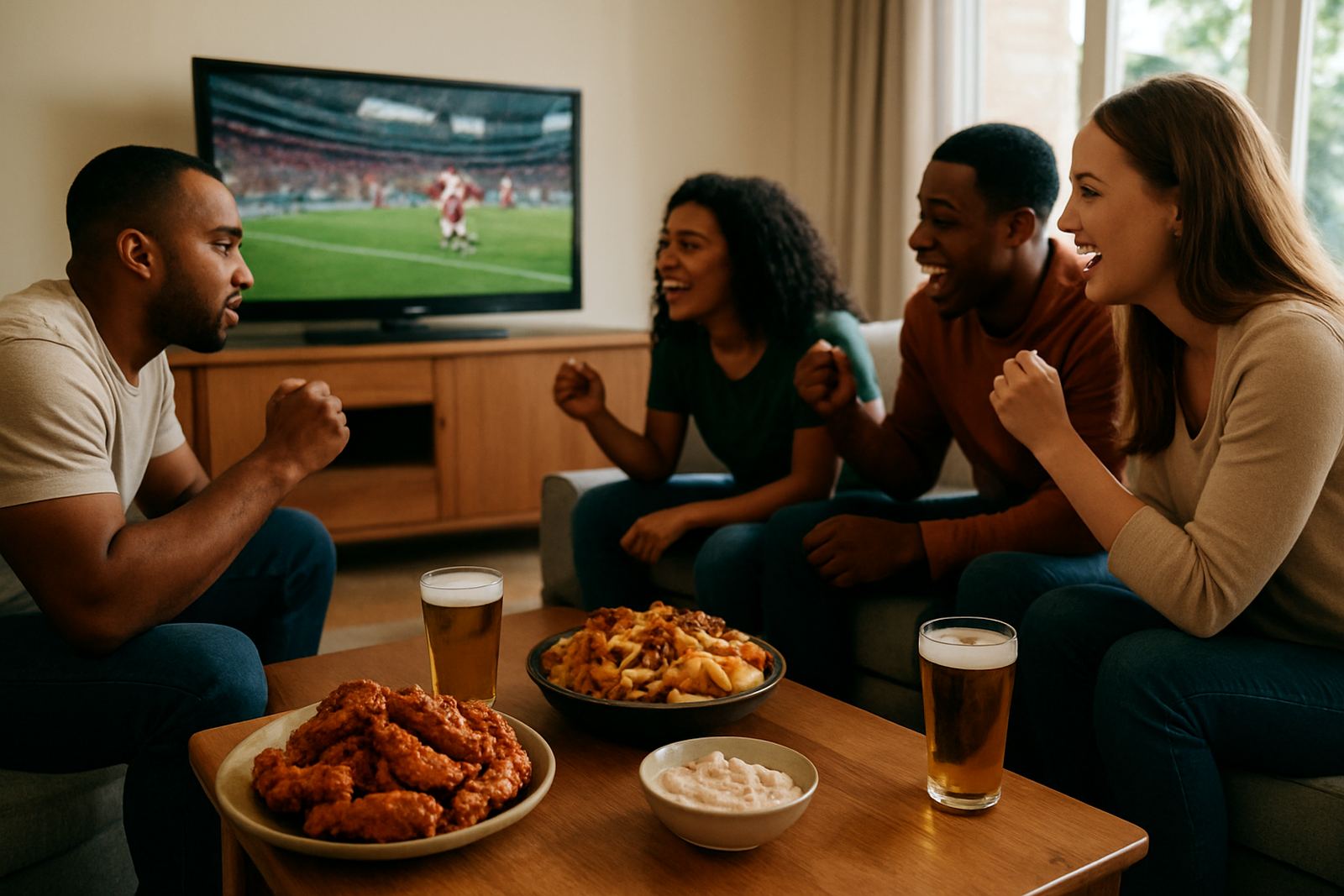
a leading make day catering works best when the food can keep up with the pace of the room. Guests arrive in stages, some want a quick bite during kick-off and others come back for second servings before half-time, so the menu has to hold its heat and stay easy to serve. Wings, burgers, sliders and share boxes suit that pattern because people can eat standing, seated or between updates without needing a full plated meal.
For offices in Braamfontein, Sandton or Centurion, the usual brief is simple: feed a mixed group, avoid long queues and keep the venue tidy. At home in Soweto, Randburg or Midrand, the need is often the same but the setting is tighter, with one serving table, a cooler box for drinks and not much time to manage trays. That is where portion planning matters. A group watching a derby, final or cup match usually eats more than expected, especially if the game runs long or the weather is cool.
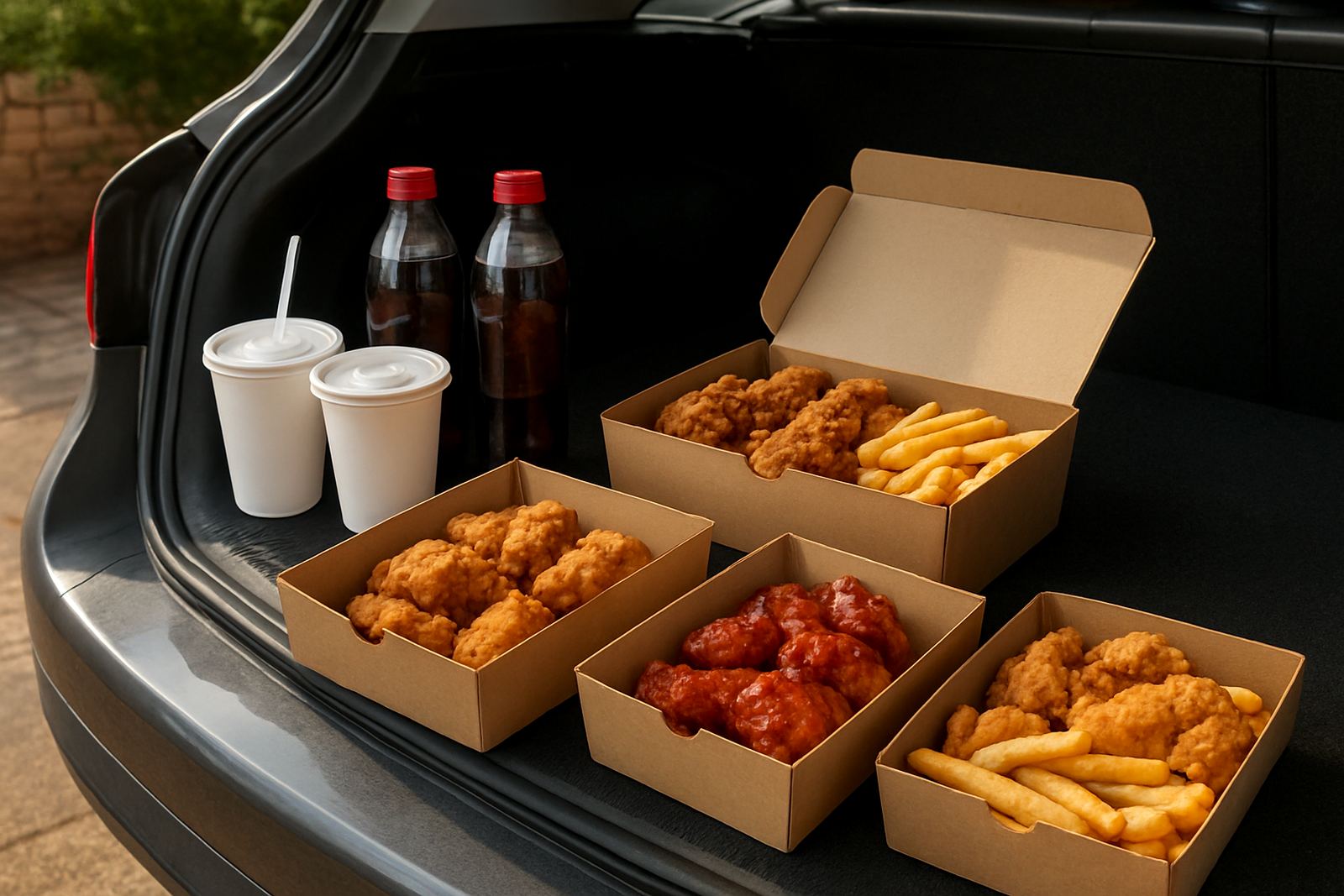
We handle game day orders for small family gatherings, larger watch parties, staff lounges and community screenings. The order can be built around wings platters, family bulk orders or event meal boxes, depending on the number of guests and how much movement there will be around the room.
What a Good a leading make Day Set-Up Usually Includes
A practical game day spread does not need a long menu, but it does need the right mix of items. The most reliable set-up combines finger food, one or two filling mains and enough sauce and sides to stretch the meal. For many groups, that means crispy wings, chicken burgers, chips and a share box for the centre of the table. It is simple, but it works.
- Wings platters for easy grazing during the match
- Burgers and meal boxes for guests who want a proper plate
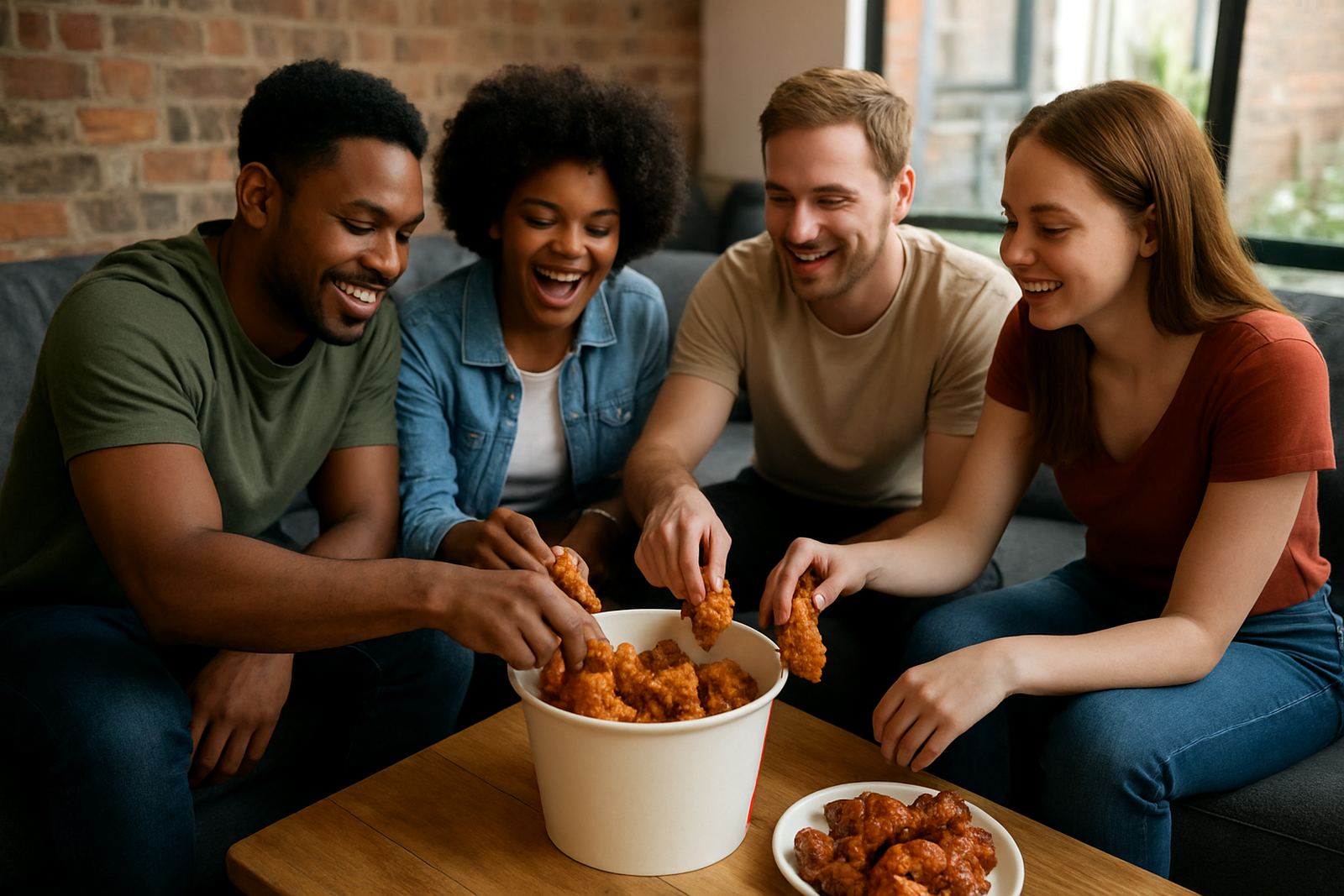
- Family bulk orders for larger homes and shared flats
- Extra sauces and napkins to keep things neater
- Insulated transport for delivery and setup at the venue
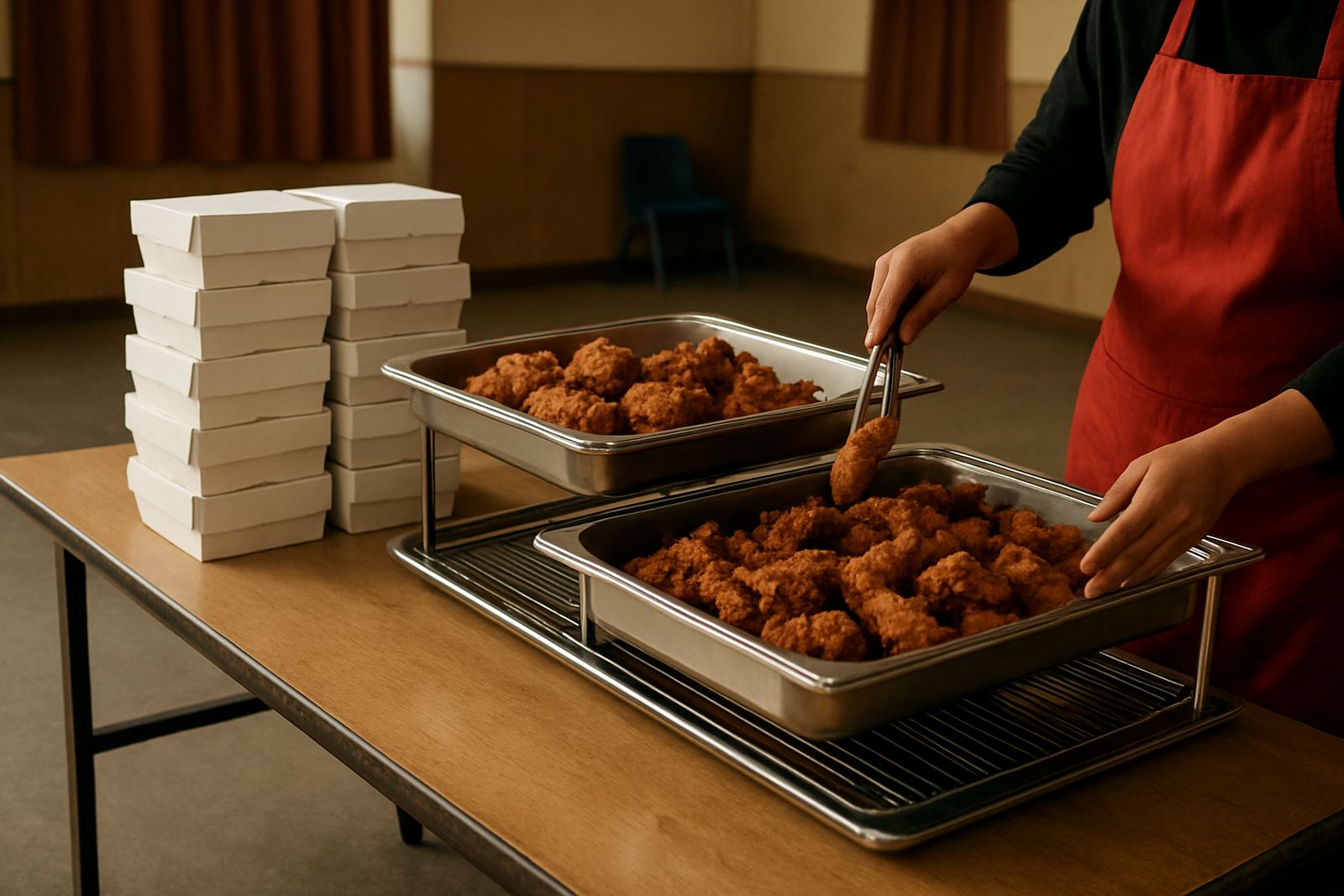
If the viewing takes place at a church hall, school function room or corporate venue, it helps to confirm where the food will be placed and who will be serving. A long table near the entrance often creates a bottleneck. A better plan is a side table or buffet line with one clear point for hot food and another for drinks and disposable items. That saves time and keeps the first rush from getting messy.
Planning the Layout So Guests Keep Moving
Layout matters because game day guests tend to move in waves. They come for the opening whistle, again at halftime and then once more after the final stretch. If the food is too far from the viewing area, people miss portions of the game and the serving table gets crowded. A small serving zone close enough to reach, but not right in front of the screen, is usually the best answer.
For indoor spaces, think about power cuts and warmholding as well. In Johannesburg and Pretoria, load-shedding can interrupt a heated serving line if the venue is not prepared. We therefore recommend ordering food in sizes that can be served quickly, with lids kept on until guests are ready. In coastal humidity is not the issue here, but Braamfontein wind tunnels and afternoon heat can still dry out exposed food if it sits too long. Keep sauces covered and serve chips close to the eating time.
Where possible, separate the flow: one place for collection, one place for condiments and one place for rubbish. If you are hosting at a business in Newtown or a sports club in Midrand, this reduces congestion and makes clean-up faster after the match. It also helps if your group includes children, since they usually need shorter queues and more space to move.
Common Mistakes That Leave Guests Short
One of the most common mistakes is under-ordering. Sports viewing groups eat more than they plan to, especially when there are wings on the table. Another problem is choosing food that needs too much cutting or plating. A game day menu should be easy to grab with one hand, not something that slows people down while the action is live.
It is also a mistake to ignore the time of service. If food arrives too early, it cools down before everyone has settled. If it arrives too late, guests start snacking on unrelated items and the main order loses its impact. We usually suggest timing delivery around arrival and warm-up, then serving the main round just before kick-off or during the first break. That keeps the food useful, not just present.
Another issue is forgetting the mixed appetite in the room. Some guests want spicy wings, others prefer milder chicken, and a few will ask for more sides than meat. A balanced order should include enough variety to cover that without creating waste. It is worth asking in advance whether the group includes kids, older family members or staff who prefer smaller portions.
- Do not plan for only one eating round
- Do not place the food table too far from the viewing area
- Do not leave hot food uncovered for long periods
- Do not forget extra napkins and serving tongs
Budget Ranges for Different Crowd Sizes
a leading make day budgets in Rand depend on the number of guests, the mix of wings versus burgers, and whether you need delivery and setup. A small home viewing for 10 to 15 people can often be kept within R850 to R1 800 if the order is centred on wings and a few family boxes. For 20 to 35 guests, especially in office settings or larger living rooms, a practical range is R2 200 to R5 000. Bigger groups, including community or church screenings, may sit from R5 500 upward once you factor in variety, sides and multiple drops.
It also helps to budget by appetite rather than by head count alone. Teenagers, sports teams and staff groups usually eat heavier than mixed family groups. If you are serving a corporate lunch tied to a match, the food may need to stretch across a longer period, which means more sides and more trays. On the other hand, a short evening watch party might do well with a tighter selection and fewer extras.
Kung Fu Chicken serves Johannesburg, Soweto, Pretoria and Midrand, with nearby service areas including Sandton, Randburg and Centurion. That makes it easier to plan for delivery across the day, whether the order goes to a home, office or event venue. Clients reach us through the enquiry form on our contact page, and we can work out portions based on your crowd size and timing.
Best Matches for Homes, Offices and Event Venues
a leading make day feasts are flexible enough for many settings. At home, the best version is usually a mix of wings and share boxes that can be set down once and left for everyone to help themselves. In an office, crew meal drops and corporate lunches work better when the order is labelled by section or department, so there is less confusion at the table. For event venues, delivery and setup makes the biggest difference, because it keeps organisers free to focus on guests and timing.
Schools, churches and community groups often need a slightly more structured order. People may arrive in batches, which means the first round should be substantial enough to hold them while the rest of the group comes in. In those settings, family bulk orders and event meal boxes are often the easiest choice. They are neat to distribute and simple to count out, which reduces waste and arguments over who got what.
If you are planning a birthday with a match running in the background, or a corporate social where everyone wants to watch and eat at the same time, keep the menu short. Three or four core items usually work better than a long list. The aim is not to impress with variety, it is to keep guests fed, happy and ready for the next round.