
When Late Night Hunger Hits, Speed Matters
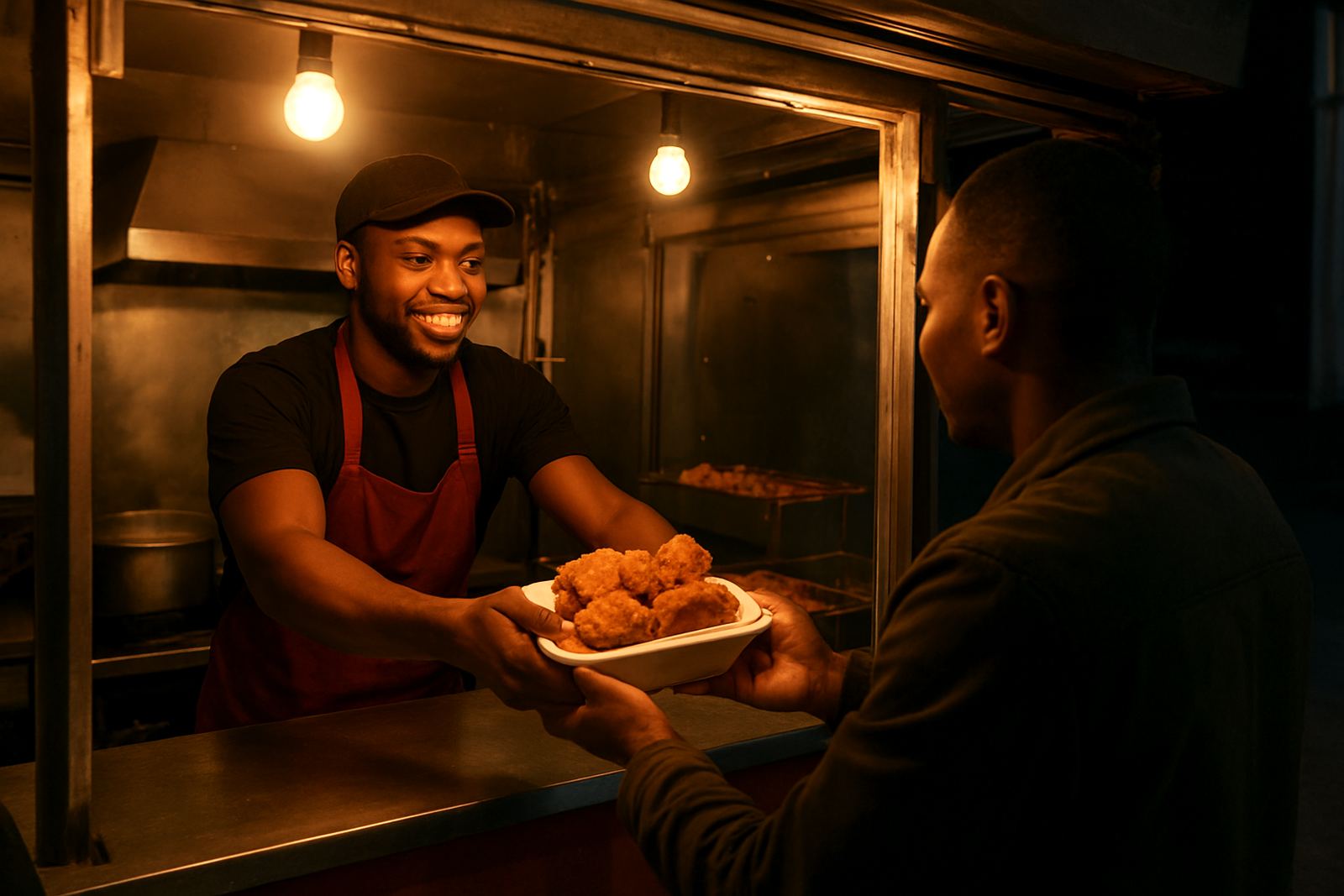
Late night bites usually come after a long shift, a campus function, a church gathering, a sports match, or an event that has run past supper time. People want something hot, filling, and easy to eat without waiting around. Chicken and chips works because it is familiar, it stays popular across age groups, and it still holds up when ordered in bulk for 10, 30 or even 100 people.
For Kung Fu Chicken in Braamfontein, this use case suits customers who need a reliable meal after 7 pm, especially in busy areas like Johannesburg CBD, Soweto, Midrand and Pretoria Central. The offer should be simple enough for quick service, but flexible enough to handle wings, pieces, chips and family meals. The main test is not just taste. It is whether the food still arrives crisp, warm and properly portioned after a long evening.
Typical Equipment Set for Night Service
A late-night chicken setup needs equipment that can keep up with fast turnover and repeated batches. A basic line normally includes a commercial fryer, a second holding fryer or warming cabinet, a prep table, chip cutter, hot holding trays, insulated takeaway packaging, and a point-of-sale station that is easy to manage under pressure. If the branch serves delivery and events too, add sealed meal boxes and stackable containers for chips, sauces, and bulk portions.
- Commercial fryer for chicken pieces and wings
- Spare fryer or holding unit for chips during rush periods
- Hot holding cabinet or heat lamps for short holding times
- Refrigerated storage for raw chicken and sauces
- Insulated bags and tamper-evident packs for delivery
- Backup power plan for load shedding, especially in Braamfontein and surrounding business areas
In Johannesburg, load shedding is still part of planning. A branch that closes at night should know exactly what can run on backup power and what must be reduced first. If the fryer, lights and till are all on one circuit, service becomes messy very quickly.
Layout That Keeps Orders Moving
Good layout matters because late-night orders tend to arrive in bursts. One group wants dine-in, another wants takeaway, and delivery drivers may show up while the kitchen is already busy. The best setup is usually a straight line from raw prep to frying, then to packing and handover. That reduces crossed movement and helps staff keep track of what is ready and what still needs another minute in oil.
For branches in Braamfontein, Newtown or Sandton service areas, space planning should allow a clear waiting point for customers and a separate packing surface for bulk orders. If the same counter handles walk-ins and event boxes, delays build up fast. A small order shelf near the exit works well for collections, while larger meals can be labelled by time and destination. It sounds basic, but it saves a lot of confusion on busy Friday nights.
- Keep raw and cooked food zones apart
- Place chips and chicken packing next to the fryer, not across the room
- Use clear labels for family meals, school catering and crew meal drops
- Leave enough space for delivery collection without blocking dine-in guests
Common Mistakes That Spoil a Good Night Trade
The biggest mistake is holding fried chicken too long. Once it sits, the coating softens and the chips lose their bite. Another common error is overloading the fryer, which drops the oil temperature and gives pale, oily food. Staff also sometimes pack hot food into closed containers too early, trapping steam and flattening the crisp finish. That one causes complaints very quickly.
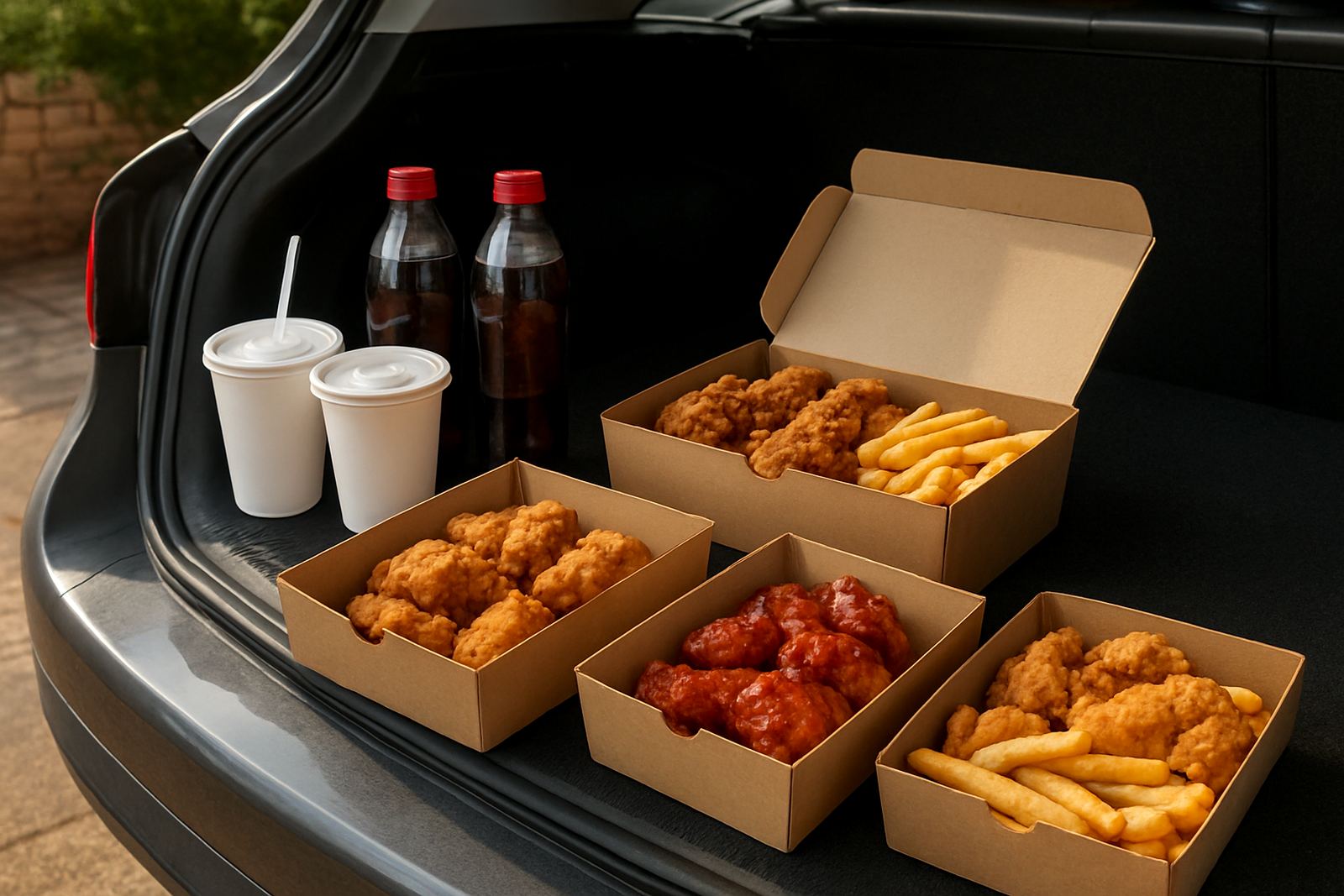
Late service also fails when there is no clear menu discipline. Too many item variations slow down the pass, especially when customers order mixed boxes at closing time. Keep the core late-night menu short and repeatable. Wings, chicken pieces, chips, family meals and a few add-ons are usually enough. If you are serving events or corporate groups, pre-build some meal boxes before the rush starts. That way the kitchen is not scrambling at 9:30 pm when everybody is hungry and impatient.
Budget Ranges for a Practical Setup
The budget for a late-night chicken offer depends on whether you are opening a new branch, adding a night menu to an existing kitchen, or catering from one central base. For a small service point, equipment and basic packing stock may start around R45,000 to R90,000. A stronger setup with dual fryers, hot holding, refrigeration, better extraction and delivery packaging can move into the R120,000 to R280,000 range. If the site needs electrical upgrades, gas installation or backup power, allow more.
Monthly running costs matter just as much. Oil, gas or electricity, chicken stock, chips, packaging and staff overtime all add up. For a busy branch serving Johannesburg and nearby areas, late-night packing materials alone can run into several thousand rand a month. It is worth budgeting for waste as well, because the busiest period after an event is not the time to run short on boxes or sauces.
- Starter service point: R45,000 to R90,000
- Expanded night trade setup: R120,000 to R280,000
- Electrical or gas upgrades: allow extra depending on site
- Packaging and consumables: budget monthly, not once off
What Clients Usually Need for Late Night Orders
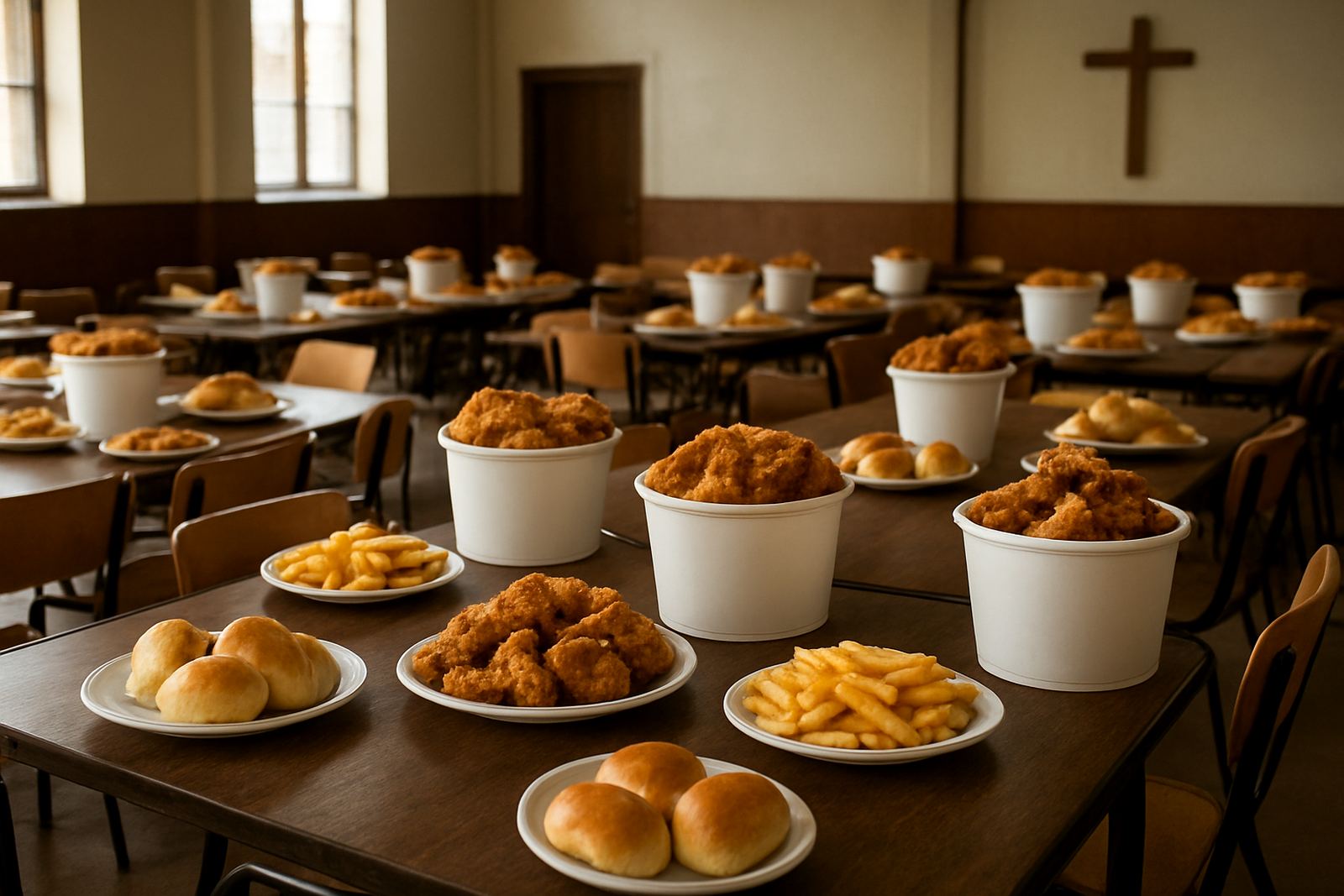
Most late night clients want convenience first. That may mean an office team in Centurion finishing a deadline, a church group in Soweto after a programme, or a birthday crowd in Midrand that still wants food after the music ends. They need a menu that can scale, packaging that keeps the meal tidy, and a delivery or collection plan that does not slow the evening down. For some clients, the deciding factor is not price alone but whether the food arrives with enough chips, enough sauce and enough consistency for the whole group.
Kung Fu Chicken is set up for dine-in, takeaway and event feeding, so the late-night format can sit inside a wider service plan. That is useful for offices, schools, community groups and private functions that run late. The best results usually come from clear headcounts, a set collection time, and a menu that matches the venue rules. If the site has noise limits, security gates, or strict access control, plan drop-off points early so the meal does not get held outside while everyone waits.