
Start With Headcount, Not Guesswork
The first number to lock in is how many people will eat. For office lunches, school functions and family events, even a small change in headcount can shift the order quite a bit. A group of 40 needs a different mix to a crowd of 120, and it helps to know whether you are feeding adults, children, or both.
As a rule, bigger groups need a little extra buffer, especially when people arrive hungry after church, a sports day or a long meeting. If you are unsure, count the confirmed guests and add a few more servings for late arrivals. That small margin is usually cheaper than running short and trying to top up at the last minute.
- Confirm the number of guests who will actually eat
- Separate adults, children and staff if portions differ
- Add a small buffer for late arrivals or seconds
- Check whether the event runs over a lunch or supper time
Choose The Serving Style Before You Price It
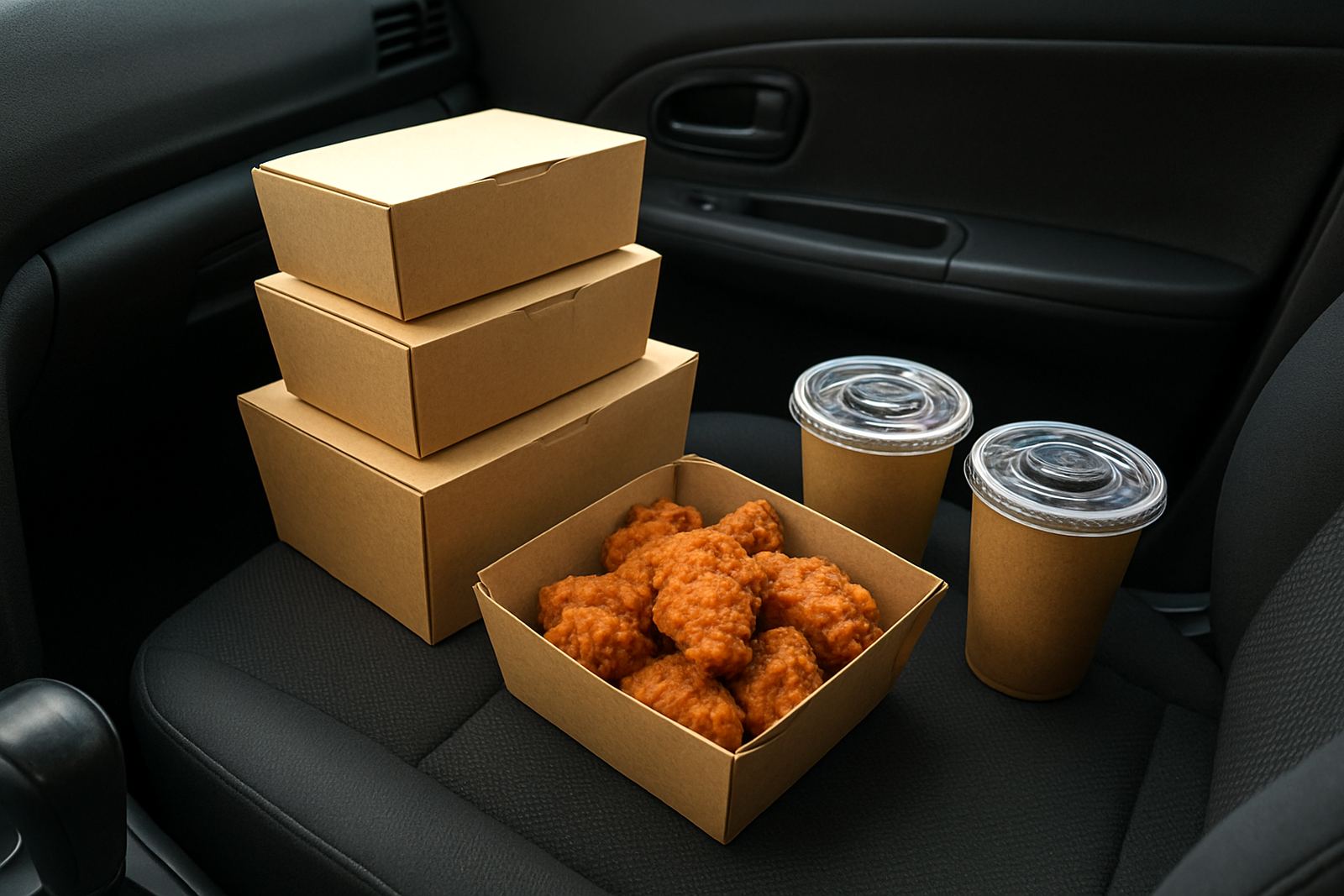
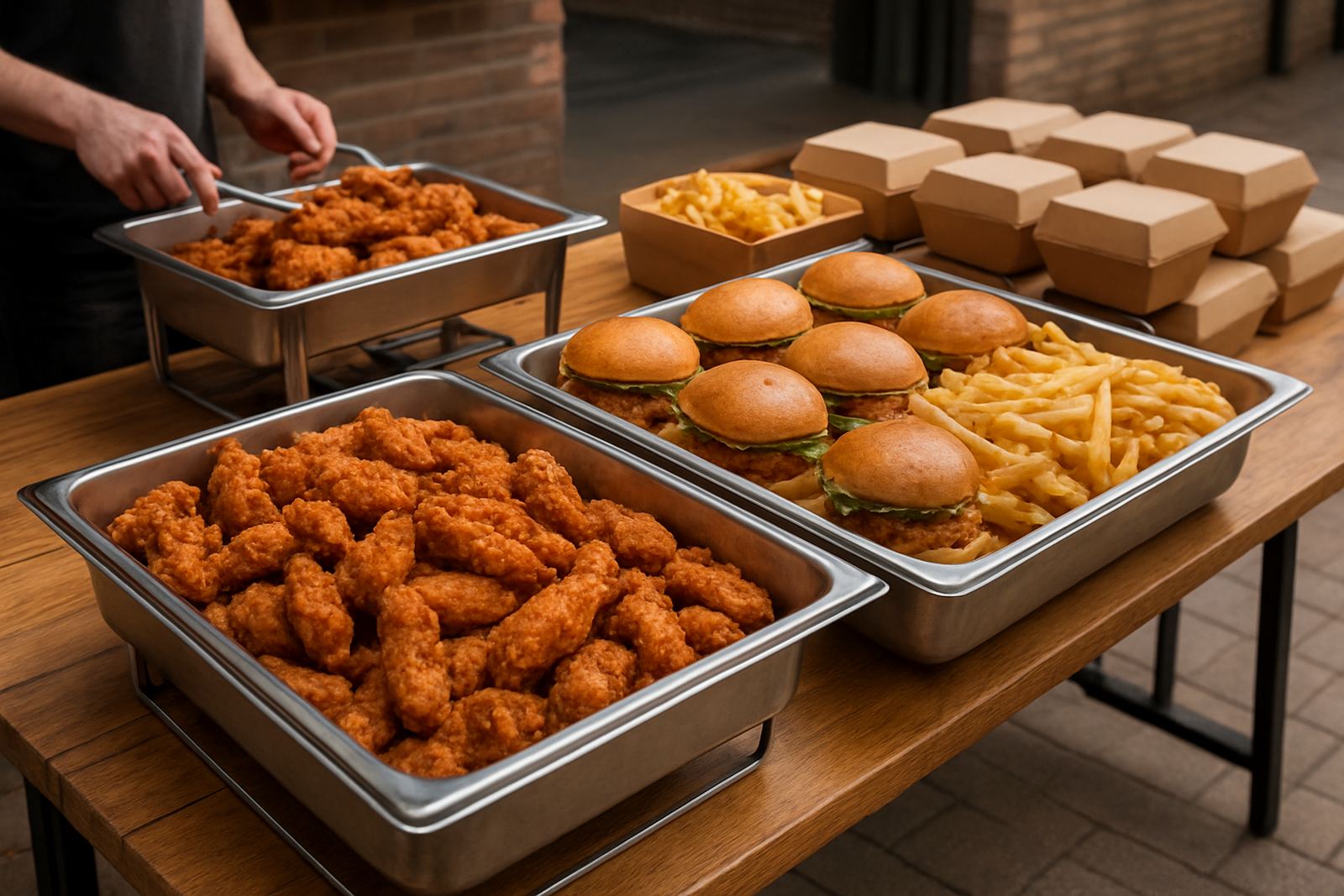
A platter for sharing, a boxed meal, or a bulk family order will not budget the same way. Shared trays work well for office floors and community gatherings, while meal boxes suit sites where people need to move fast or eat at different times. For events with a programme, boxed meals often reduce waste and make distribution easier.
If you are planning a delivery and setup order in Braamfontein, Soweto or Midrand, think about where the food will be served. A hall with tables can handle shared trays, but a school sports ground or construction site may need individually packed meals to keep things tidy. That choice affects labour, packaging and holding time, so it affects the price too.
- Shared trays usually suit groups eating together
- Meal boxes are better for staggered serving times
- Bulk orders can be the best value for large families
- Always factor in packaging if the food must travel far
Do Not Forget Sides, Sauces And Drinks
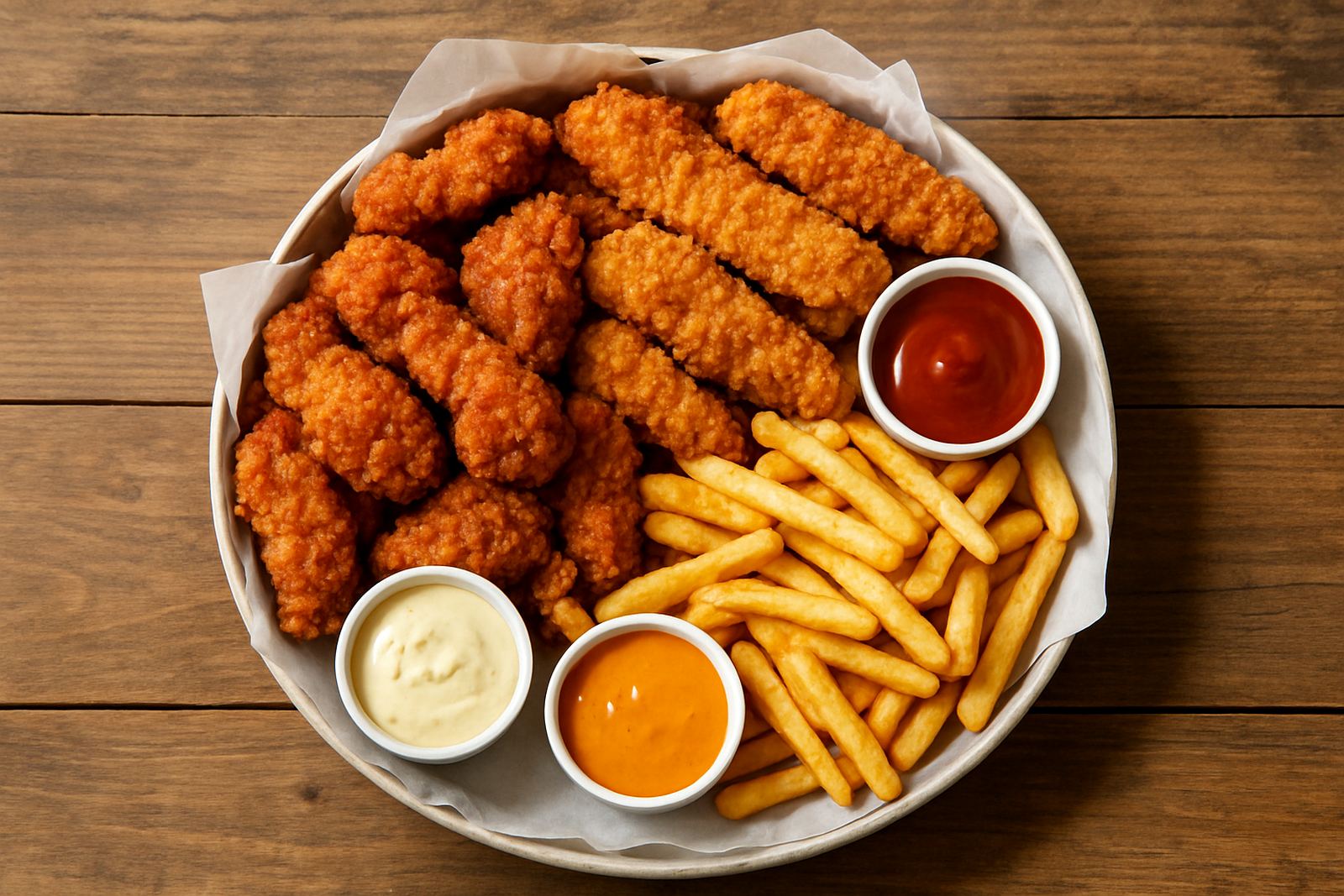
Many budgets go off track because the main item is counted but the extras are not. Chips, rolls, rice, slaw, sauces and drinks can add up quickly, especially when the guest list grows. The easiest way to stay on budget is to decide up front whether the order is only chicken, or a full meal with sides.
If your team is ordering for a Friday lunch in Sandton or a birthday in Pretoria Central, ask what is included per person and what must be added separately. A chicken-only order may look cheaper on paper, but once you add starches and sauces the final total changes. It is better to price the full spread from the start than to guess and overspend later.
- Check if sides are priced per portion or per tray
- Ask whether sauces are included or extra
- Plan for drinks if the event runs more than an hour
- Compare chicken only against full meal pricing
Use Your Venue To Cut Waste And Cost
The venue matters more than people think. A boardroom, school hall or church foyer each needs a different setup, and that changes how much food is likely to be eaten. If guests are seated and served in one go, the portions are easier to control. If people will graze over several hours, you may need more trays and a stronger delivery plan.
In Johannesburg, load-shedding and traffic can both affect timing. If the food must be held before service, it should be packed and delivered in a way that suits the venue, especially during colder months or on hot days in areas near the CBD. A good plan reduces waste, and it also saves money because food that arrives late or cold often needs rework.
For outdoor events in places like Randburg or Centurion, ask about shade, tables and serving space before you finalise the budget. Small details like this can decide whether you need extra packaging, foil, serving utensils or warming support.
Build A Realistic Budget Around The Event Type
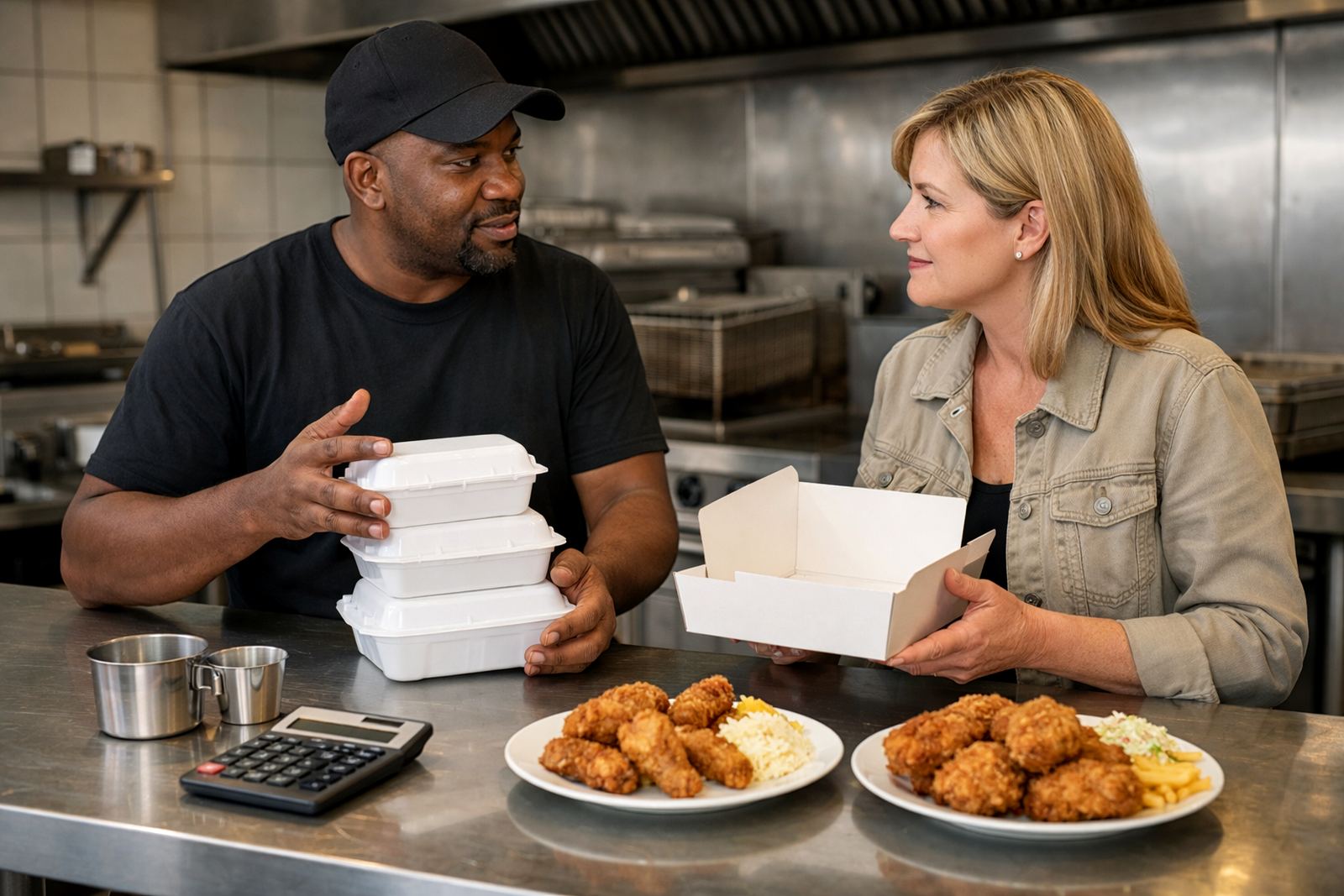
Different events need different budget lines. A school catering order is usually built around steady portions and clear timing. A corporate lunch may need neat packaging and a faster handover. A birthday package can allow for a bit more variety, while community feeding orders often need volume and consistency above all else.
Here is a simple way to think about the cost:
- Food portion: chicken quantity, wings or family packs
- Meal extras: sides, sauces and drinks
- Service needs: delivery, setup and timing
- Packaging: boxes, trays, cutlery and serviettes
- Event support: crew meal drops, serving or staggered delivery
If the event is for a business or church group, it also helps to know whether one payment covers everything or if different teams are paying for different parts. That stops confusion when the final order is placed and keeps the budget clean.
A Johannesburg Example That Shows The Difference
Take a 90 person staff lunch in Braamfontein. If everyone gets a full meal with chicken, a side and a drink, the cost is very different from a wings platter for shared eating. The first option gives certainty and less waste. The second can work well for a more relaxed company function, but only if the portions are sized properly and the team is happy to share.
Now compare that with a school event in Soweto where meals must be handed out quickly after assembly. Boxed meals may cost a little more in packaging, yet they can save time, reduce spillage and make counting simple. That is often the cheaper choice once you factor in staff time and cleanup. In short, the lowest food price is not always the lowest event cost, and that is where many budgets slip.