
What office lunches usually need in Braamfontein and beyond
In offices, the food has to work around the meeting, not the other way round. That means portions that are easy to count, packaging that stacks neatly, and meals that stay in good condition if the lunch is delayed by traffic, a late client, or a load-shedding change in the building.
Our office lunch orders are often used for weekly team treats, boardroom meetings, training days, staff appreciation, and client visits. In Braamfontein, Sandton, Randburg, Centurion and Midrand, buyers usually want something filling, affordable, and fast to serve. Chicken boxes and platters are practical because they hold up well, give people choice, and do not need a full kitchen setup to hand out.
Typical orders include wings, pieces, chips, rolls, slaw, and extra sauce. For a mixed team, it helps to include mild and spicy options, plus a few sides that keep the meal balanced. If you are ordering for a workplace with strict break times, it is better to keep the menu simple and the drop-off window tight.
Platter and box options that suit meetings
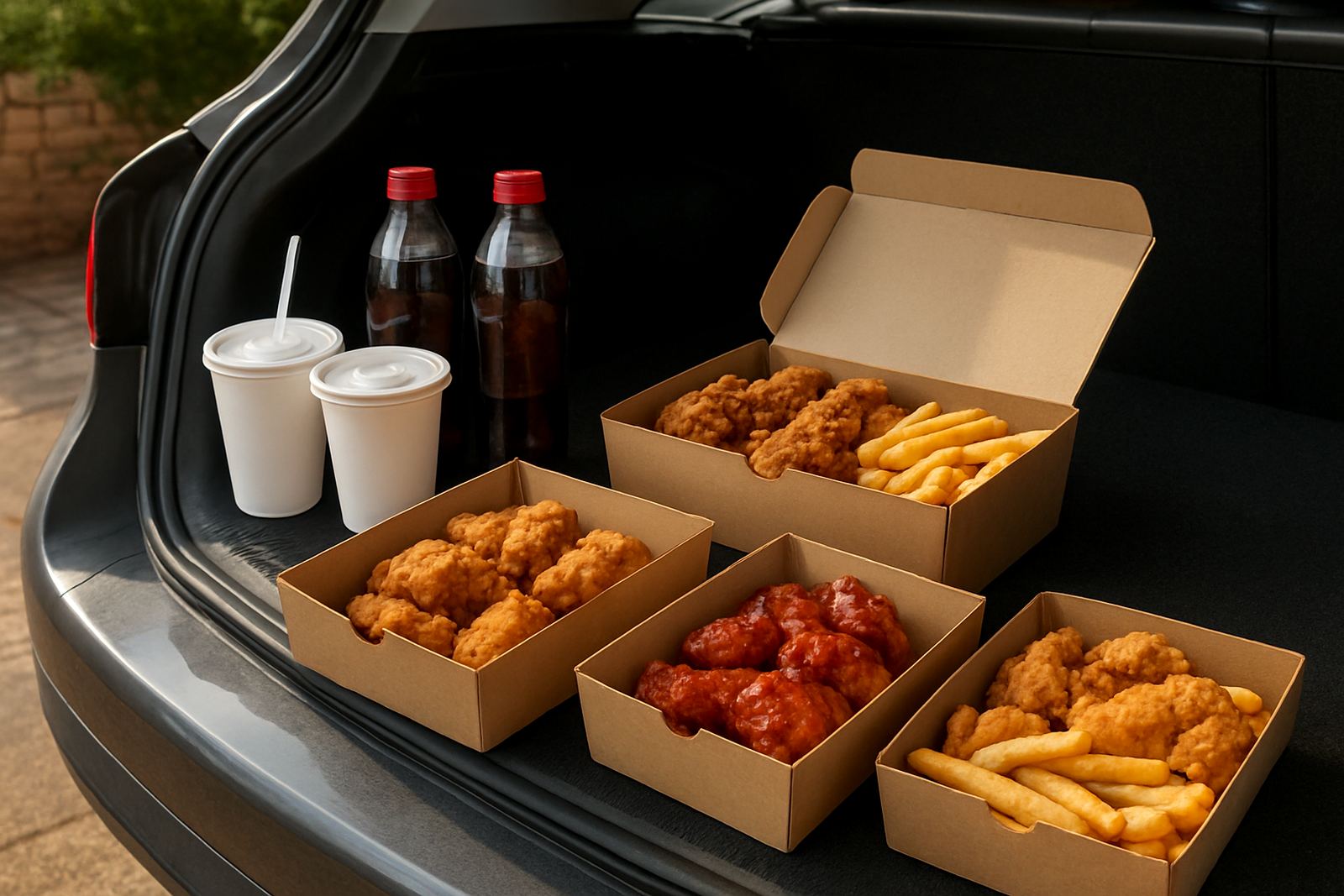
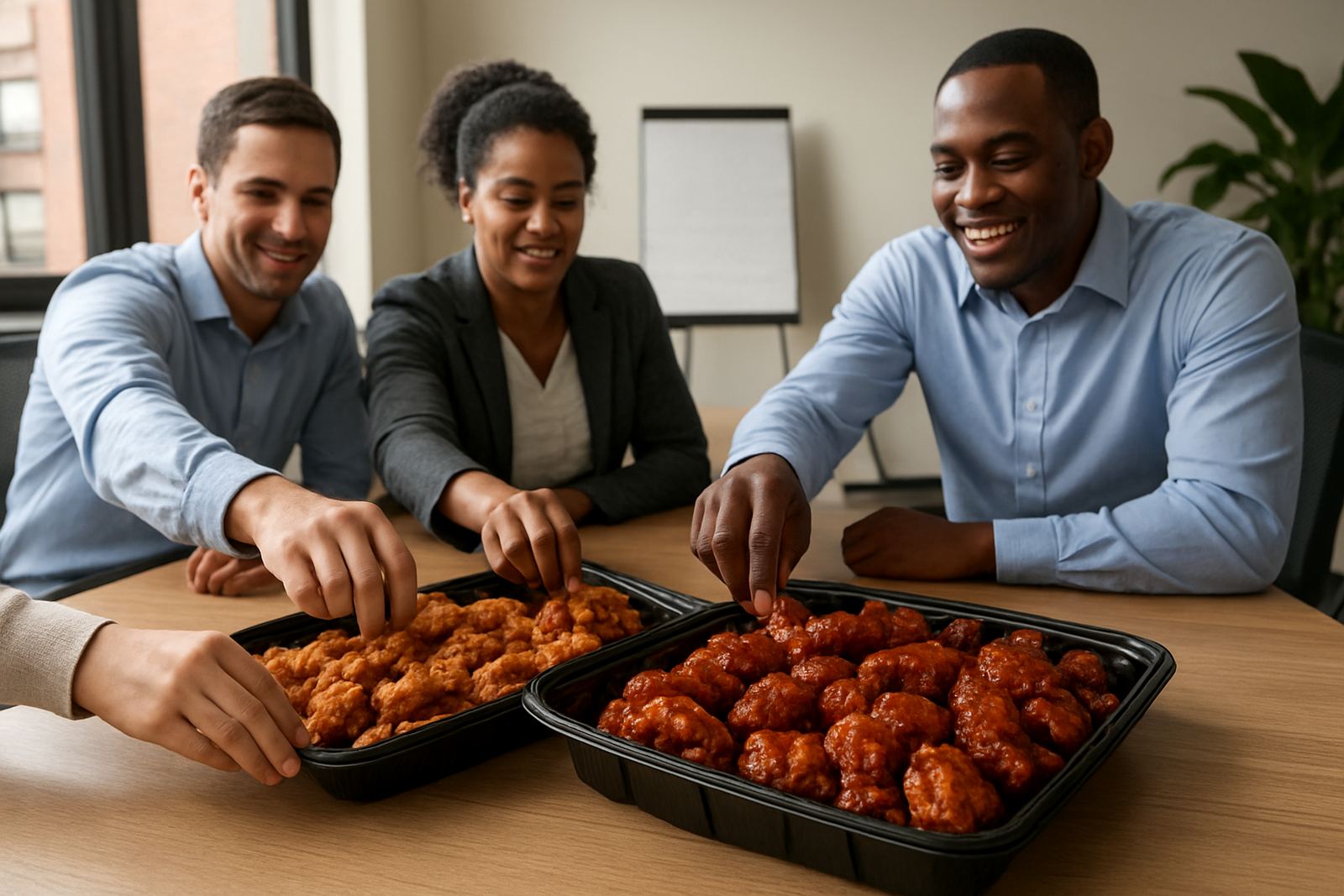
For office lunches, the most useful setup is usually a mix of share platters and individual meal boxes. Platters work well in a conference room or open-plan office where people can serve themselves, while boxes are better for separate teams, site visits, or managers who need to eat at their own pace.
- Wings platters for shared lunches and smaller groups
- Family style chicken platters for team meetings
- Individual box meals for workshops and training days
- Extra chips, rolls, and sauce for fuller portions
- Bulk wing orders for late afternoon staff drops
If the office has a mix of dietary preferences, the best approach is to split the order by box rather than trying to build one large tray for everyone. That keeps service neat and reduces confusion when the food is opened. It also helps if the receptionist, events coordinator, or office manager needs to hand meals out quickly.
How to plan the order so lunch runs on time
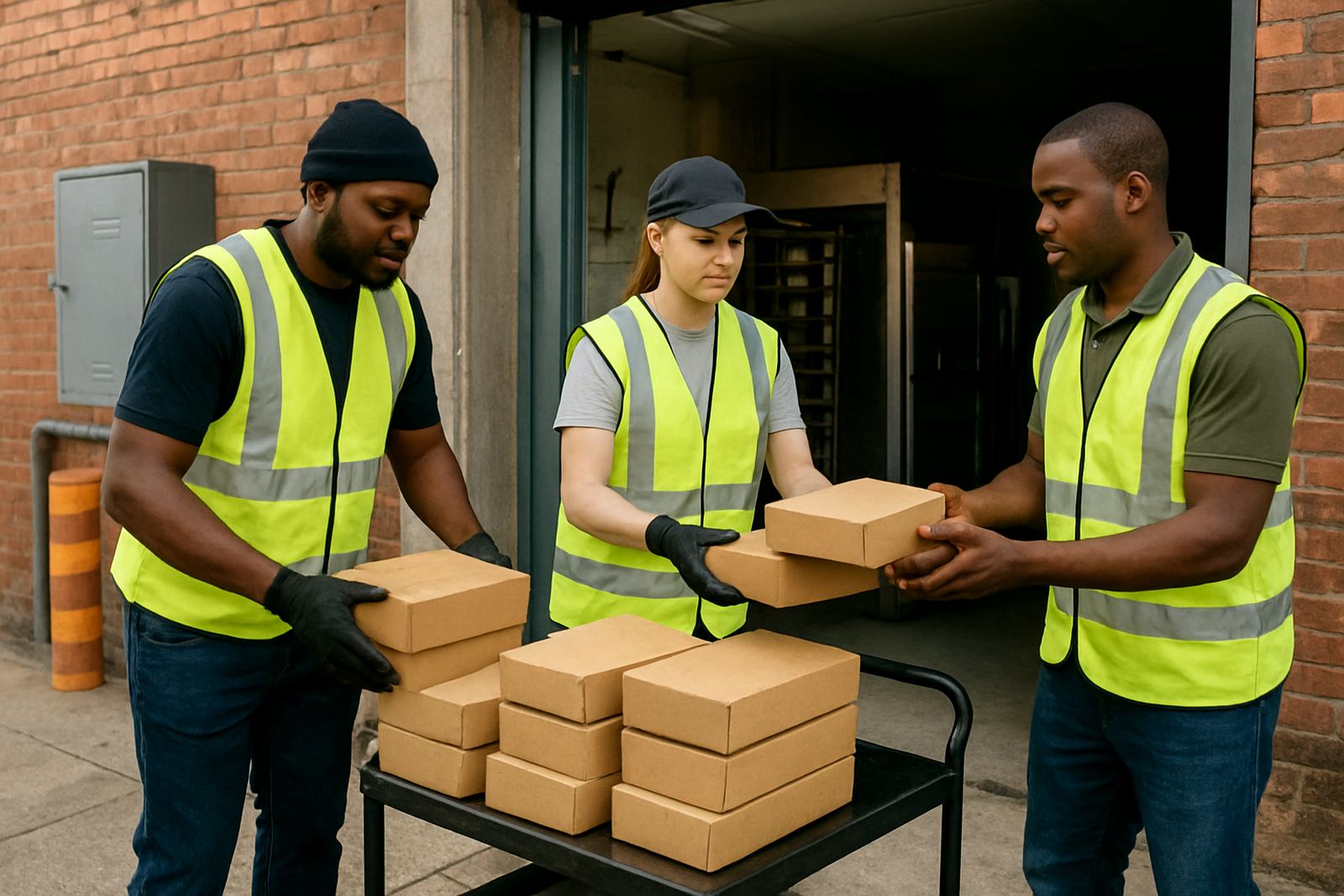
A good office lunch starts with headcount, delivery time, and where the food will be served. If the team is spread across floors, make sure there is one person responsible for receiving the order and checking it against the list. In busy buildings, especially around Braamfontein and Newtown, it also helps to confirm parking access and loading points before the delivery leaves the kitchen.
For meetings lasting more than an hour, plan the meal to arrive about 15 to 20 minutes before the eating slot. That gives time to unpack, set out serviettes, and let people settle without rushing. If the office has limited crockery or no serving area, boxed meals are the safer choice. They are easier to distribute and they cut down on cleanup afterwards.
Here is a simple planning checklist that usually saves time:
- Confirm the number of people and any late arrivals
- Choose platters for sharing or boxes for individual meals
- Set a clear delivery time and one collection point
- Allow space for sauces, napkins, and rubbish bins
- Keep a backup plan if the lift is out or access is restricted
Common mistakes offices make with lunch orders
One of the biggest mistakes is ordering too little. In an office, people often take a second piece or ask for more chips, especially if the lunch runs through the whole team. It is better to size up slightly rather than have the last few people left with nothing. Another common issue is choosing only one flavour, which can be tricky if the group likes different levels of heat.
It also causes problems when no one is named to receive the order. Deliveries can sit at reception while staff search for the meeting room or the person who approved the booking. A proper handover point avoids that. In large workplaces, it helps to label meals by department or table number, particularly for corporate lunches and crew meal drops.
Some offices forget about the building rules. Security may need the driver details, and some sites only allow deliveries during certain hours. In Johannesburg, that can affect how quickly the food gets upstairs. If you are ordering for a building with limited access, say so upfront and the delivery can be timed properly.
Budget ranges for workplace catering
Office lunch budgets vary depending on whether you are feeding a small team or a full floor. A simple box lunch for a short meeting may start from about R45 to R75 per person, while fuller meals with extra sides or wings can sit around R80 to R120 per person. For larger platter orders, the total spend is often more useful than the per head figure, because you can build the order to suit the group size.
For example, a team of 10 people can usually be catered for with a modest lunch budget of around R500 to R1 200, depending on the menu mix. A mid-size office function, training session, or client lunch may sit between R1 500 and R4 000. Bigger workplace events, especially where delivery and setup are included, can run higher. The final cost depends on portion size, travel distance, and whether extra packaging or serving items are needed.
If the office is watching spend closely, it is often better to focus on one strong main item and a simple side instead of trying to over-order on extras. That keeps the meal filling and avoids waste, which matters when budgets are under pressure.
Why chicken works so well for working lunches
Chicken is a practical choice for offices because it is familiar, easy to portion, and usually liked by a wide group. Fried chicken, wings, and meal boxes travel well across Johannesburg, Soweto, Pretoria and Midrand, and they stay presentable even if the lunch table is set up in a small boardroom or shared kitchenette. It is also easy to scale the order up for a larger team without changing the whole plan.
At Kung Fu Chicken, office lunch orders are handled with the same care whether they are going to a five-person meeting or a full staff celebration. We work with Braamfontein offices, local agencies, schools, church groups, and corporate teams that need food to arrive on time and ready to serve. For workplaces that want delivery and setup, the layout can be kept simple: one table for the food, one area for drinks, and enough space for people to move through without crowding.
If your office needs a meal that is filling, tidy, and easy to share, platter and box options are a dependable choice. They keep lunch moving and let the team get back to work without fuss.