Why Fried Chicken Needs a Delivery Plan
Fried chicken is one of the hardest meals to send out well because it has two jobs at once: it must stay hot inside and stay crisp outside. If it is packed badly, steam builds up fast and the coating softens before the driver reaches the first stop. That is why good delivery is not only about speed, it is about how the food is packed, stacked and timed from the moment it leaves the fryer.
In Braamfontein and the surrounding Johannesburg areas, traffic can change in a few minutes. A run from the CBD to Newtown is one thing, but a late afternoon drop to Sandton or Centurion can stretch longer than expected. A kitchen that understands that reality will plan meals for travel, not just for serving at the counter.
Pack For Heat, But Let The Chicken Breathe
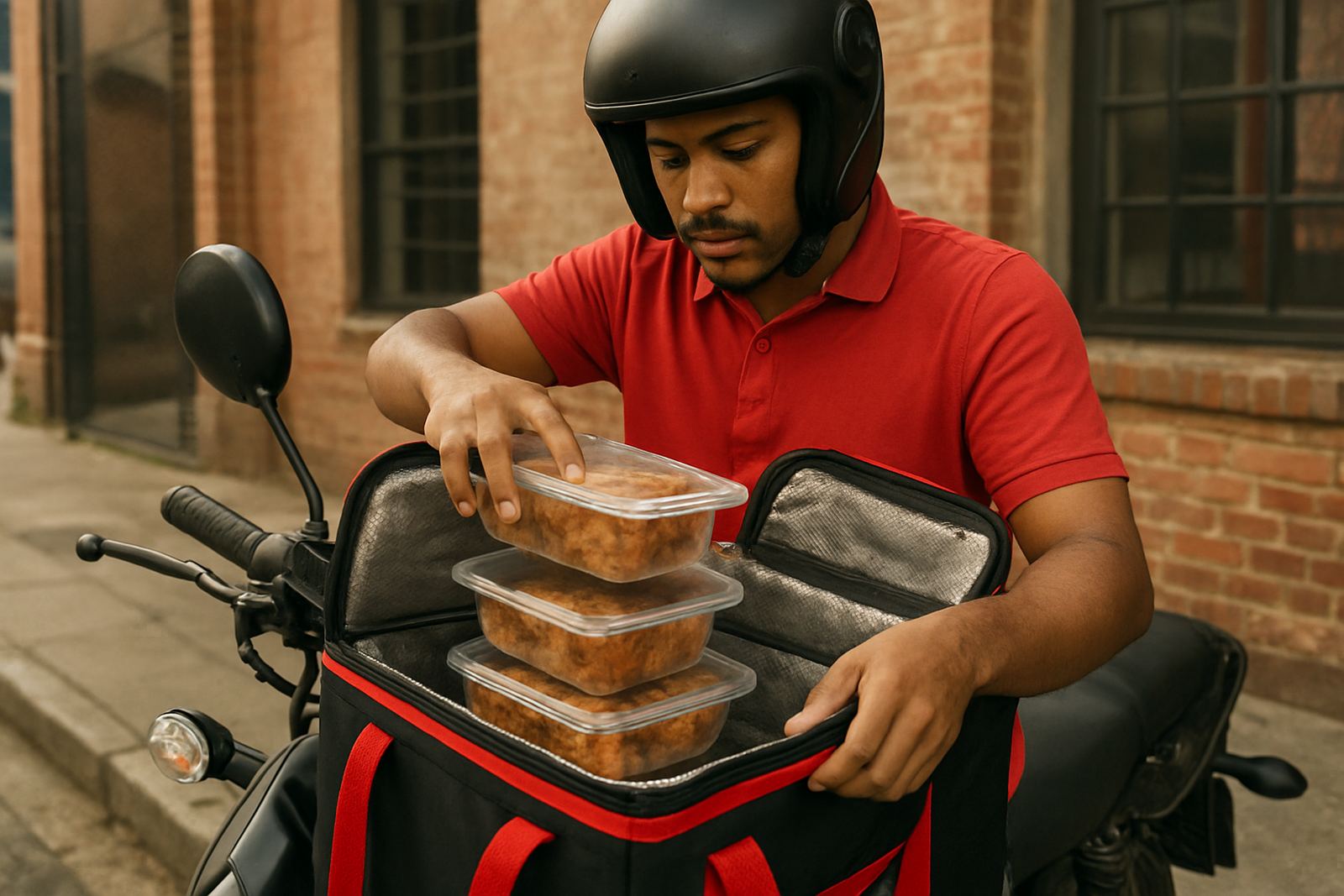
The biggest enemy of crispy chicken is trapped steam. If a hot meal is sealed too tightly, moisture has nowhere to go and the coating turns soft. The answer is packaging that holds heat without sweating the food. Boxes with small vents, paper liners and separate compartments for sides all help keep the meal in better shape.
For delivery, the best method is to keep wet items apart from dry items. Chips, rice, gravy and coleslaw should not be crammed into the same space as wings or a burger. Even a few minutes of direct contact can change the texture. It sounds simple, but it makes a real difference when a family meal is going out to Soweto or a lunch box is heading to a mid-morning office drop in Randburg.
- Use vented packaging for fried chicken so steam can escape.
- Keep sauces, gravy and moist sides in separate containers.
- Do not overfill boxes, since tight packing traps heat and moisture.
- Line cartons with paper where needed to manage oil and condensation.
Timing Matters More Than Most People Think
Freshness is often won or lost in the minutes between frying and dispatch. A meal that sits on the counter too long will lose heat, while one packed too early can steam itself before it leaves the building. The trick is to coordinate cooking with collection or delivery windows so the order is ready as close as possible to the handover time.
For larger orders, this becomes even more important. A school lunch drop, church function or crew meal for a film set should be scheduled with enough lead time for preparation, but not so early that food sits around. In practice, a staggered fry and pack process works best. It keeps the first boxes fresh while the last boxes are still being finished.
- Confirm the delivery window before cooking starts.
- Batch fry in smaller rounds instead of holding too much stock.
- Pack meals only when the route is ready.
- For long routes, build in a short buffer for Johannesburg traffic and load shedding delays.
Choose Menu Items That Travel Well
Not every meal is equal when it comes to delivery. Crispy wings and bone-in pieces usually travel better than items with heavy sauce or delicate garnishes. Family bulk orders also work well because the meal can be broken into neat portions instead of one overloaded tray. The menu should favour items that keep their texture for at least a short trip, especially when the destination is across the city.
Good delivery menus are built around balance. You want enough variety to satisfy a group, but not so many fragile items that the order falls apart on the road. A mix of wings, pieces, rolls and simple sides is often stronger than a box full of complicated extras. For events in Pretoria Central or Midrand, that kind of menu choice helps the food arrive in better condition and easier to serve.
Some items work better when added at the end rather than cooked into the main container. Fresh herbs, crunchy toppings and cold salads are best packed separately. That way, the customer can build the plate at the table instead of receiving a soggy mix.
Local Routes Need Local Thinking
Johannesburg delivery is shaped by distance, traffic lights, taxi routes and building access. A delivery to Braamfontein student housing is not handled the same way as a drop to an office block in Sandton or a Saturday function in Soweto. The route tells you what kind of packaging to use, how much buffer time to allow and whether the meal should be boxed for individual servings or group sharing.
One practical example is a Friday lunch order leaving Braamfontein for Newtown and Randburg. If the kitchen knows the order is going to multiple stops, it can separate the meals by destination, label the boxes clearly and keep the hottest items together. That saves time at handover and helps the food reach each client in better condition. It also reduces mix ups, which matters when there are family meals, crew drops and office catering all leaving at once.
For deliveries in areas with load shedding, the plan should also allow for equipment downtime. If a fryer, warmer or holding cabinet is affected, the kitchen needs a backup process so the meal still leaves on schedule. In South African service work, planning for power cuts is part of the job, not an extra step.
How Delivery Quality Affects Events And Repeat Orders
People remember what the food was like when it arrived, not only how it tasted at the counter. If the chicken arrives crisp, the chips are still warm and the sides are properly packed, customers are more likely to order again for birthdays, office lunches and community events. That is especially true for repeat clients who need reliability more than anything else.
Event food also has a ripple effect. A good delivery at a church gathering or company lunch can lead to more bookings because people see that the meals were handled properly from kitchen to table. A weak delivery can undo good cooking. That is why packaging, timing and menu choice should be treated as part of the recipe.
- Label boxes by meal type and destination for faster handover.
- Keep hot and cold items apart until serving time.
- Choose portions that are easy to distribute at events.
- Use delivery notes for gate access, floor numbers and collection instructions.
Fresh Delivery Is A System, Not A Guess
Keeping delivery meals fresh is less about luck and more about doing the same things well every time. The food needs the right box, the right timing and the right route. When those pieces line up, fried chicken can still taste close to fresh from the fryer even after a drive across Johannesburg.
For families, offices and event organisers, that consistency matters. A well planned order saves time, reduces waste and keeps people happy at the table. And for fried chicken in particular, that is what separates a meal that merely arrives from one that arrives ready to eat.