
Why Multi-Branch Service Cuts Waiting Time
One busy shop can only push so many orders through at lunch time, especially when a load-shedding slot changes the pace or rain sends more people indoors. With branches in Braamfontein, Soweto, Pretoria Central and Midrand, Kung Fu Chicken can spread demand across more than one kitchen, which helps keep fryers moving and waiting times steadier.
A customer in Randburg does not need to cross the city for a box of wings if the nearest branch can handle the order. That matters for fresh food, because the less travel time between cooking and pickup, the better the crunch and heat. It also helps when schools, churches and offices need food at a set time and cannot afford delays.
- Shorter travel distance for collection and delivery
- Less pressure on one kitchen during peak lunch and dinner periods
- Better control over timing for large orders and event trays
- Fresher food on arrival, especially for crispy items
Prep In Advance Without Losing Quality
The real speed is not only in the frying, it starts earlier in the day. Good branch service depends on portioning, marinating, batching sauces and checking packaging before the first rush begins. If the team knows what is moving fast on a Tuesday in Johannesburg or a Friday in Centurion, prep can match demand instead of chasing it.
At branch level, a strong line-up usually includes the items that travel well and reheat best, plus the pieces that need the quickest turnaround. Wings, family packs and meal boxes can be staged so the kitchen is not starting from zero for every order. That means fewer mistakes, less waste and a quicker handover at the counter.
- Portion the chicken before peak times
- Keep takeaway containers and bags ready near the pass
- Separate dine-in, collection and event orders clearly
- Track which items sell out first at each branch
Counter Flow Matters More Than People Think
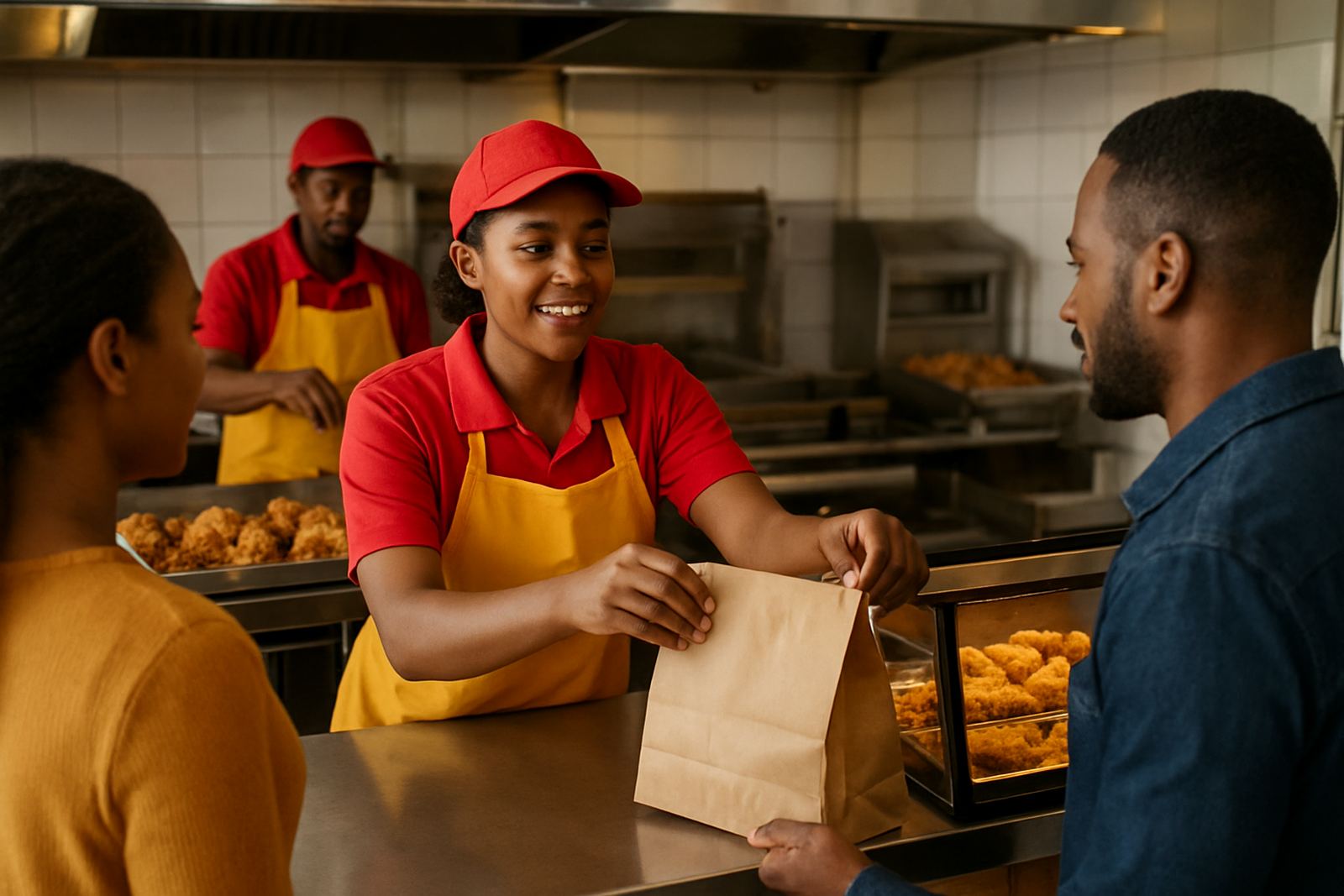
A branch can cook quickly and still feel slow if the collection point gets clogged. The best setups keep the front counter simple: one place to pay, one place to collect and one person confirming names and order numbers. That sounds basic, but it is often the difference between a smooth lunch run and a line that stops moving.
In Braamfontein, for example, students, office workers and commuters often arrive in waves. If the team can call out collections clearly and hand over sealed packs without hunting for missing items, the whole queue moves faster. Small habits like writing names in the right sequence and checking cutlery before bags go out save minutes all day long, no fuss required.
- Keep one clear queue for collections
- Use numbered bags for bigger orders
- Check sauces and extras before the handover
- Place hot orders away from cold drinks and salads
The Best Branches Plan for Local Demand
Different areas need different pacing. Pretoria Central often sees a sharper midday rush from workers, while Soweto and Midrand can bring more family orders in the late afternoon and early evening. Sandton and Randburg service areas may lean toward office lunches, crew meal drops and scheduled catering where time windows are tight.
That is why branch teams need local patterns, not just a generic kitchen plan. A branch serving a church event on a Sunday morning should be set up differently from one handling weekday school catering or a crew meal drop near a construction site in Centurion. Timing, packaging and dispatch routes all shift depending on where the food is going.
When the branch knows its own area, it can set realistic collection slots and avoid overpromising. This keeps customers happier and helps the kitchen stay in control when orders stack up, especially during month-end or public holiday weekends.
Events Need Branch Discipline, Not Guesswork
Large orders are where branch systems are tested. A birthday package, office catering spread or community feeding order can fall apart if the kitchen does not know the headcount, delivery point and serving time in advance. Good branch service means the food is packed in the right order so it arrives ready to serve, not in a jumble.
For events, the team should think about more than just cooking. They need enough foil pans, lids, gloves, serving utensils and transport space. On hot days in Johannesburg and humid days closer to the coast if food is travelling further out, packaging needs to hold heat without letting the chicken go soft. That is where clear branch coordination pays off.
- Confirm portions and timing before the event day
- Separate meal boxes from shared platters
- Label allergen-sensitive items where needed
- Load delivery vehicles in service order, not random order
Fast Service Still Needs a Human Touch
Speed is useful, but people remember whether the process felt calm and organised. A good branch does not shout over customers or make them wait without explanation. It tells them what is happening, gives a realistic collection time and keeps the tone steady even when the fryers are busy and the phone lines are full.
At Kung Fu Chicken, that balance matters because families, friends and office teams all want different things from the same kitchen. Some want a quick box after work. Others need a full spread for a church function or school event. The branch that serves fastest is the one that stays prepared, communicates clearly and keeps the kitchen line moving without confusion.
Speed is not about rushing the food. It is about removing delays before they start, so customers get hot chicken, crisp wings and proper portions right when they need them.