
Start With a Spend Limit Before You Order
Set your budget first, then build the meal around it. If you are heading out after class in Braamfontein or arranging a weekend order for res, decide what you can spend per person and stick to it. A clear number helps you avoid adding extras one by one until the total climbs higher than expected.
For students, the best value usually comes from meals that already include protein, a side and something to share. If you are ordering for a group, ask one person to keep track of the total and split the bill before the food arrives. That small step saves arguments later and keeps the order fair for everyone.
- Choose a total budget before browsing the menu.
- Agree on who is paying and how the split will work.
- Leave a little room for delivery or add-on items if needed.
- Check whether you need a meal for one, or enough for a study group.
Choose Value Meals That Fill You Up Properly
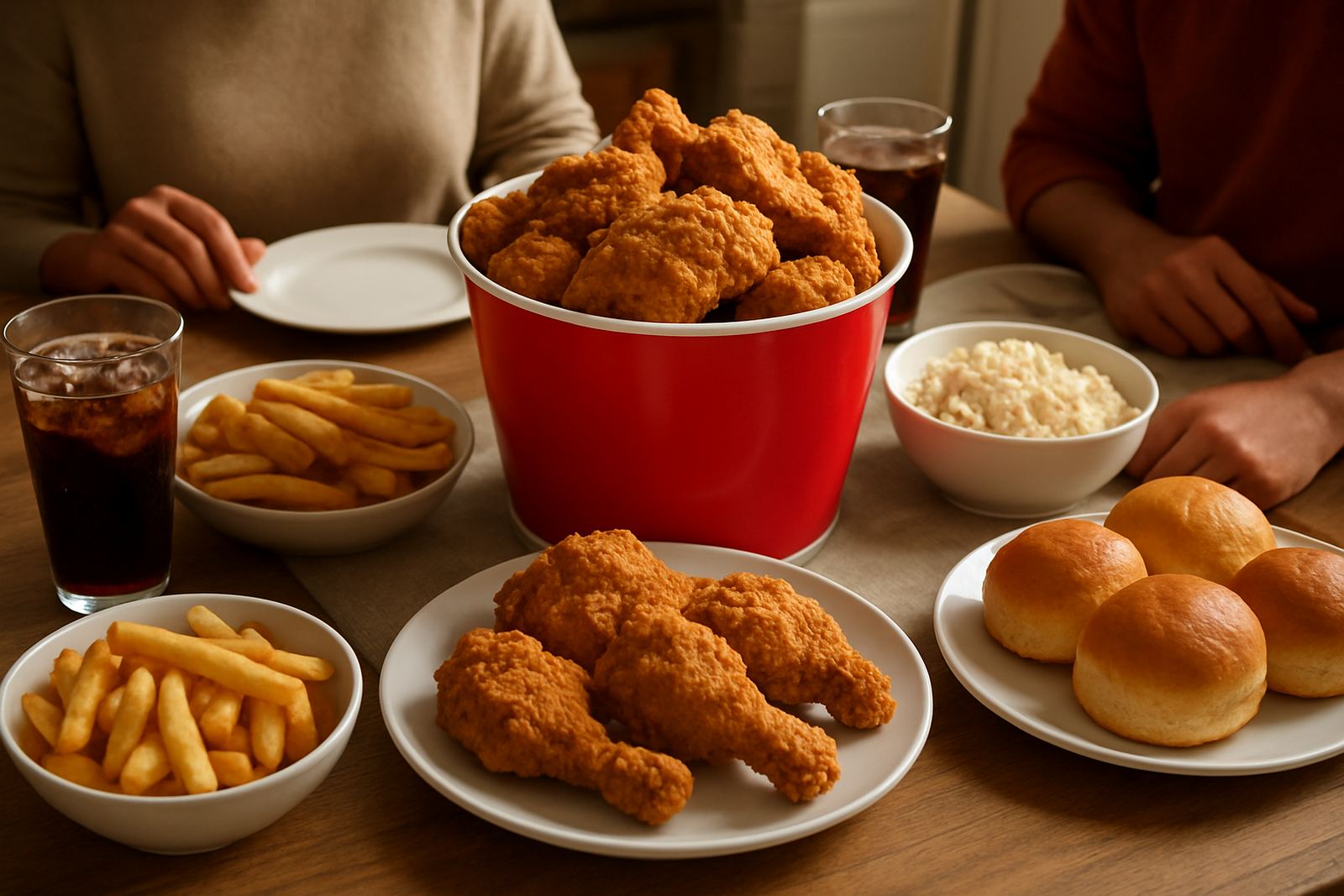
The best student orders are the ones that satisfy you without needing a second round. A proper meal should cover the main hunger, especially after lectures, sports practice or a long commute. Meals with chicken, chips or another side can go further than snack-style ordering because they are built to last through the afternoon or evening.
If you are watching costs closely, look for combinations that give you a full plate instead of separate items. That way you are paying for substance, not just for extras. On rainy days in Johannesburg or during load-shedding when cooking plans change, a solid value meal can save both time and money.
- Pick a full meal before adding extras.
- Use sides to finish the plate, not as the main order.
- Split larger meals between two people when portions are generous.
- Keep drinks and sweets separate from the main budget if possible.
Share Wings and Sides Instead of Ordering Alone
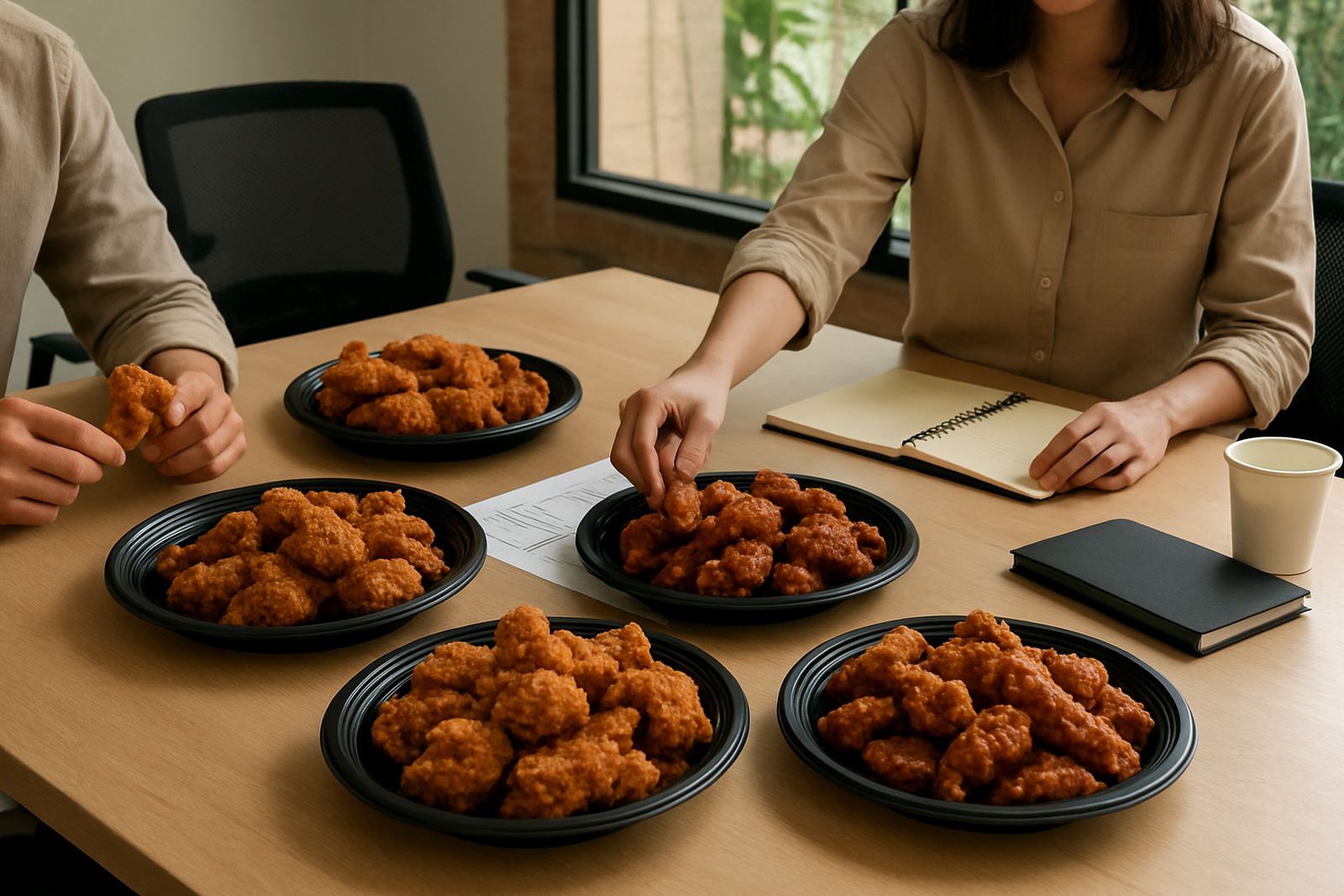
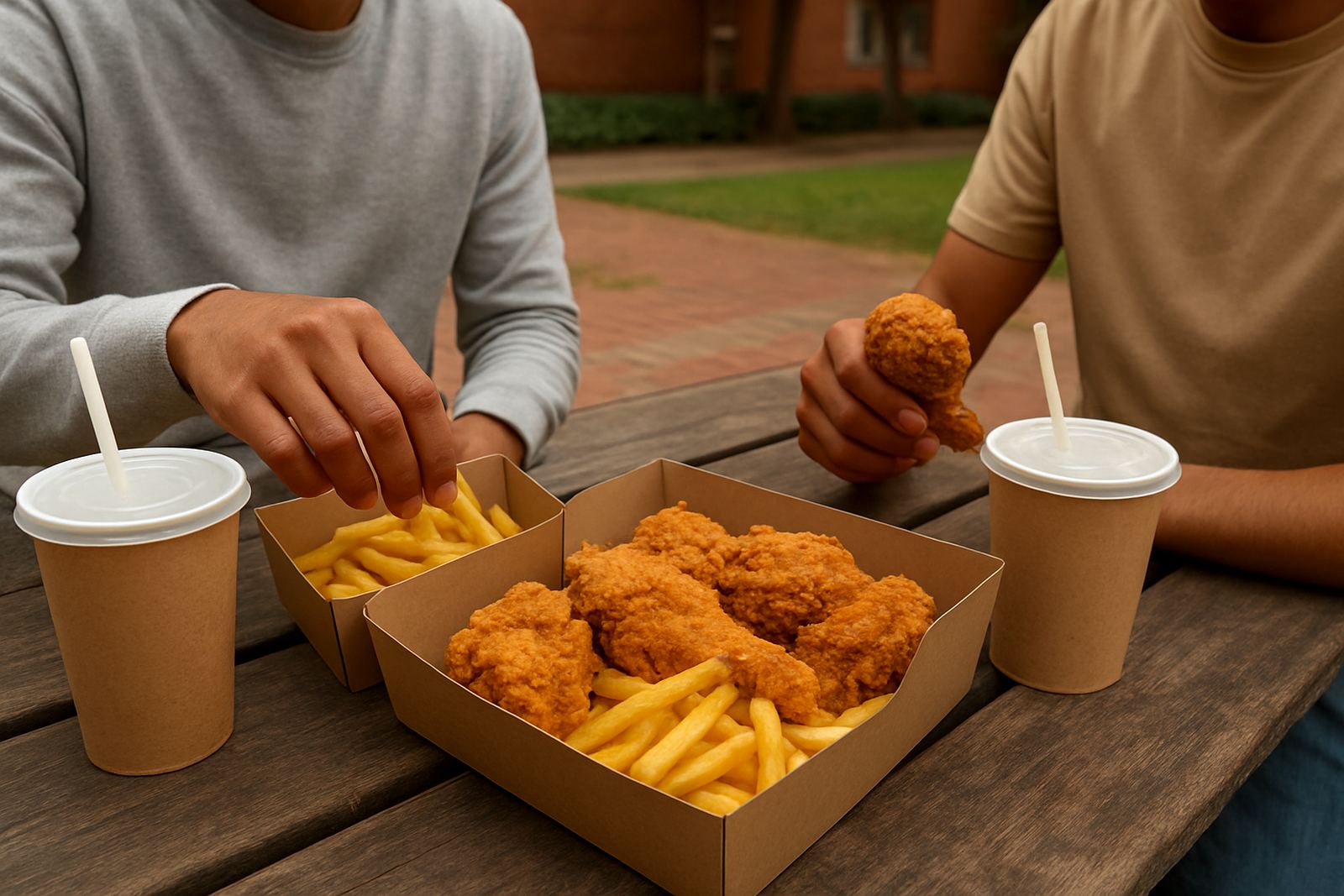
Shared ordering is one of the easiest ways to stretch a student budget. Wings, chips and sides work well when everyone wants a little of everything. Instead of each person ordering a full meal, build one or two shared items and add a smaller meal or side for the hungrier people in the group.
This works especially well for residence gatherings, church youth nights or a quick meet-up after campus. When you share, the cost per person drops and the food variety improves. It also helps when some of the group only wants a light bite, while others need a proper plate.
- One shared platter can suit two to four people depending on appetite.
- Add extra sides before adding more individual meals.
- Ask the group to decide on spice levels before ordering.
- Keep one person responsible for the final count so nothing is missed.
Plan Around Class Times, Travel and Delivery Fees
Timing affects value more than many students realise. If you order too early, the meal may sit too long. If you order too late, everyone gets hungry and starts adding more to the cart. Try to place the order close to the time you will eat, especially if you are moving between Braamfontein, Soweto, Midrand or Pretoria Central.
Delivery is useful, but it should fit the budget. If your group is already together, collecting the order may cost less than paying extra for multiple drops. For events, crew meals or campus functions, a single drop with setup can be easier to manage than several separate orders. It also helps when municipal parking rules or building access make quick handovers tricky.
- Order near mealtime to avoid waste.
- Group one delivery instead of many small ones.
- Check where the food will be handed over before confirming.
- Factor in travel, parking and waiting time when comparing options.
Use Sides and Extras Wisely, Not Automatically
Sides can turn a basic order into something more complete, but they should be chosen with purpose. If you are already getting a large meal, you may only need one extra side for the table. If you are buying for a few people, one or two shared sides often make more sense than separate add-ons for everyone.
Think about appetite and the time of day. A lunchtime order after morning lectures may need less than a late-night meal after a long study session. For students staying near older buildings or rooms with limited kitchen access, having a balanced meal on one plate is easier than handling too many items and containers.
- Add one side that completes the meal.
- Skip duplicate extras unless the group is genuinely hungry.
- Choose shared sides for meetings and study sessions.
- Match the size of the order to the time you will eat.
Simple Budget Checklist for Weekdays and Weekends
A good student food budget works best when it repeats. The more you plan ahead, the fewer surprise orders you make. Keep a rough weekly plan for lectures, sports, work shifts and social events, then decide which days need a full meal and which days only need a lighter option.
For regular weekday orders, build a habit of choosing the same budget range and the same group size. For weekends, you can adjust for friends, birthdays or family visits. That way you enjoy the food without losing track of what you spent. It is a small habit, but it makes month end easier.
- Set a weekly food budget and stick to it.
- Plan one or two shared meals for busy days.
- Keep a small buffer for unexpected hunger.
- Review what you ordered each week and trim any waste.
- Use the enquiry form when planning catering for a residence, study group or event.