
Start With the Event Flow, Not Just the Menu
Before choosing food, map the day. A school fair with open stalls needs fast hand-held items, while a sports day with set lunch times can handle plated or boxed meals. If parents, teachers and learners all arrive at different times, it is better to plan in blocks so service keeps moving. For most school events in Johannesburg, a simple format wins because queues build quickly and children do not wait long for food.
Think about where people will stand, whether there is shade, and if the site has enough bins and handwashing points. Load-shedding can affect warmer storage and point-of-sale equipment, so a plan that does not depend on constant power is safer. On larger school grounds, especially in Braamfontein, Soweto and Pretoria Central, delivery and setup should be timed around gate access and security checks.
Meal Formats That Work Best for School Fairs
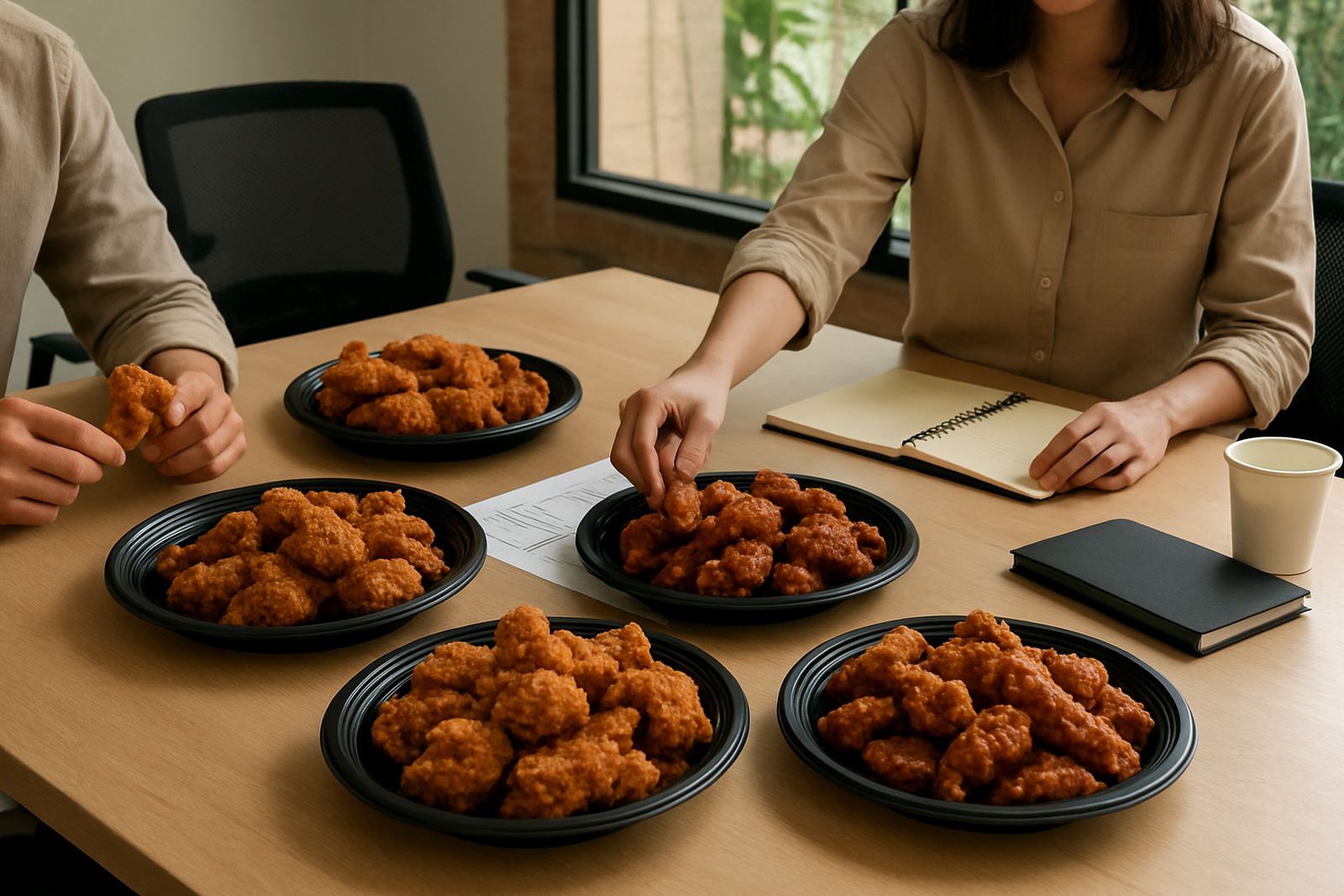
For fairs, the best meals are usually compact and easy to carry. Wings platters, chicken boxes and family bulk packs are popular because they can be portioned ahead of time and handed out quickly. If you expect younger learners, choose milder options alongside spicier choices so everyone has something suitable. A mix of crunchy chicken pieces, rolls and chips gives good value and keeps waste down.
- Single-serve meal boxes for learners and staff
- Sharing platters for teachers, volunteers and parent committees
- Bulk packs for ticket sales or pre-orders
- Mixed wings and chicken pieces for fast serving
- Simple sides that do not need complicated cutlery
For schools with a strong family turnout, add a few larger packs that suit parents collecting food for more than one child. That makes the queue move faster and helps with spend per head.
Sports Day Food That Keeps Pace With the Programme
Sports days need food that can be eaten between races, presentations and team photos. Long meal breaks often get shortened, so the menu should be ready to hand over in under a minute. Chicken meals with chips, wraps or rolls work well because learners can eat while moving between fields or seating areas. Keep sauces on the side where possible, especially for younger children who are still in uniform.
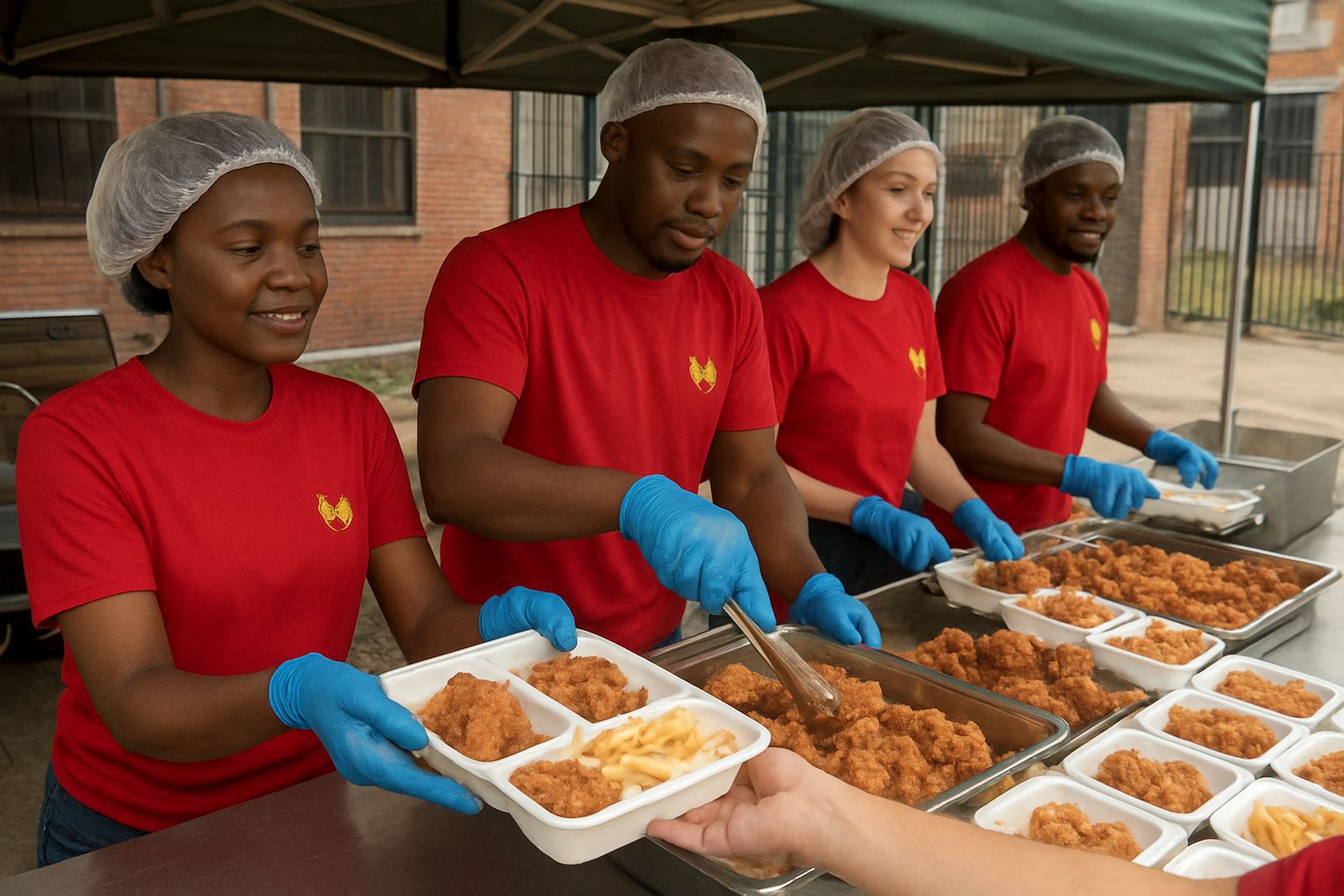
It also helps to separate hot meal collection from cold drinks and snacks. That reduces bottlenecks and keeps the line moving even when the final race ends later than planned. If the school has limited seating, boxed meals are safer than open trays because they travel better to stands and grass areas.
- Pre-packed meals for athletes and staff
- Fast collection point near the main field
- Clear labels for spicy, mild and vegetarian requests
- Enough napkins and bin bags for each serving point
Planning Portions for Families, Staff and Learners
School events often attract a very mixed crowd, so portion planning matters. Learners may want smaller servings, while parents and staff usually prefer more filling boxes. A good rule is to split orders into child portions, adult portions and group platters. That helps with budgeting and avoids over-ordering food that will sit too long.
For family attendance, order in a way that allows siblings to share if needed. Bulk packs and event meal boxes are useful because they can be counted before service begins, which reduces confusion at the serving table. If you are catering for a prizegiving or evening function, factor in a later start time and a slightly heartier meal, as people tend to arrive hungry after work and traffic.
- Count learners, staff, volunteers and guests separately
- Allow extra for last-minute arrivals and committee members
- Plan one or two spare packs for teachers on duty
- Keep a clear record of special dietary needs
Steps for Ordering School Catering Without the Stress
The simplest process is to confirm the event size, choose the meal type, set the serving time and agree on delivery access. From there, the catering team can prepare the right volume and package it for your site. For schools in Midrand, Randburg and Centurion, access times can be affected by traffic and gate controls, so it is worth planning a delivery window that leaves room for setup. If the event is outdoors, ask for food to be delivered close to service time so it stays fresh.
On the day, assign one person to receive the order and check quantities. A short handover saves time later, especially when the programme is busy and the school hall or field is full.
- Confirm date, venue and expected headcount
- Choose between meal boxes, platters or bulk packs
- Note any spicy, mild or dietary requirements
- Set a delivery and setup window
- Nominate one contact person for collection or handover
Checklist for Clean Service and Easy Cleanup
Good school catering should be easy to serve and even easier to clear away. That means enough packaging, bins and wipe-down space. In summer, dust and heat can affect open food tables, while coastal humidity is less of an issue inland but still worth considering when food sits out too long. For outdoor events, covered serving points are worth arranging.
Before the crowd arrives, check that each station has the basics. This keeps the volunteers from having to improvise once the queue starts.
- Napkins, serving gloves and tongs
- Bins placed near the serving and seating areas
- Labels for each meal type
- Water or sanitiser points for handlers
- Shade or cover for open serving tables
With the right setup, school catering can move quickly and the event stays organised from the first serve to the last cleanup.
When to Use a Catering Partner for a School Event
Use a catering partner when the event has a fixed timetable, a large attendance or more than one serving point. That is especially useful for sports days, fundraising fairs, interschool gatherings and year-end functions. It also helps when the school wants to avoid sending teachers and parents into the kitchen for most of the day. A reliable caterer can handle delivery and setup while the school focuses on the programme, safety and crowd flow.
For schools looking after a big crowd, the key is consistency. The food should arrive on time, be easy to hand out and suit different age groups without creating delays. That is what makes the day run properly for learners, families and staff alike.